
축구 패션의 역사는 단순히 스포츠의 변화를 넘어, 문화와 스타일의 융합을 보여주는 흥미로운 여정입니다. 1980년대부터 2020년대까지, 이 시기를 관통하는 다양한 패션 아이콘과 트렌드는 축구팬들의 일상 속에서도 깊은 영향을 미쳤습니다. 각각의 시대마다 독특한 패션이 등장하며, 축구가 어떻게 사회 전반에 걸쳐 영향을 미쳤는지를 잘 보여줍니다. 이제 아래에서 하나씩 확인해보겠습니다.
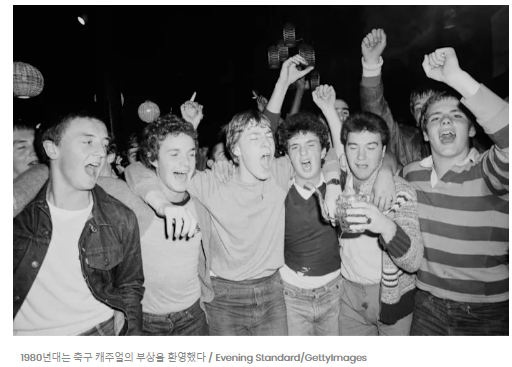
1980s: The Rise of Hooligan Casual and Terrace Culture
The 1980s saw hooliganism and ‘casual’ football culture dominate fashion, particularly in the UK. Fans actively incorporated premium sportswear and designer brands (such as Adidas, Fila, Sergio Tacchini) inspired by Italy and Germany into their everyday outfits, with styles featuring tracksuits, polo shirts, and sneakers (especially Adidas Gazelle and Samba) becoming popular. During this time, Diego Maradona emerged as a symbol of both football and fashion, with his style having a significant global impact.
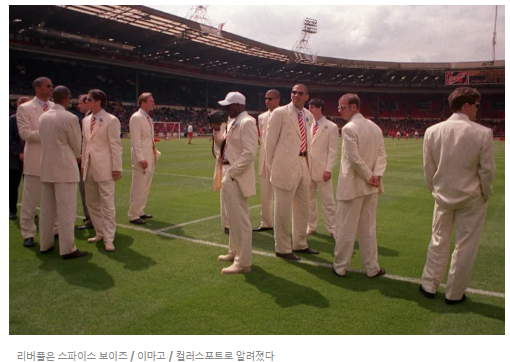
1990s: The Era of Streetwear and Superstars
The 1990s were characterized by streetwear and retro styles leading football fashion. David Beckham rose as a fashion icon both on and off the pitch, popularizing the combination of oversized tracksuits, replica shirts, and denim jeans, known as ‘football shirt + denim.’ Hip-hop culture also influenced UK football fashion during this time, with casual items like caps and chunky trainers gaining popularity. Fans began to wear team uniforms as everyday clothing outside the stadium.
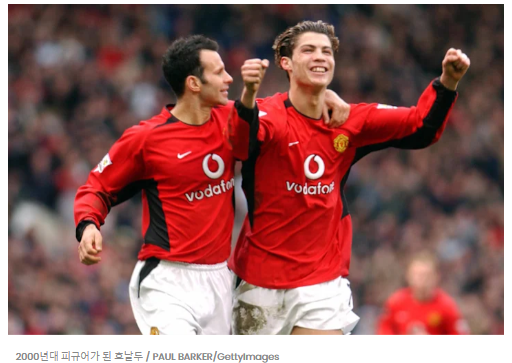
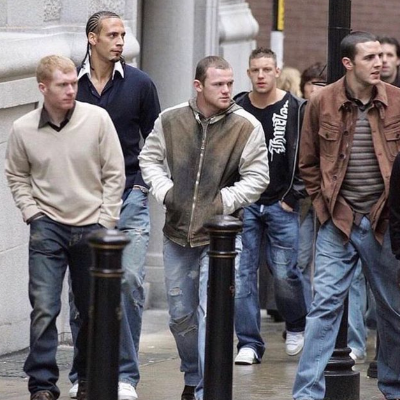
2000s: The Fusion of Celebrity, Hip-Hop, and Retro
In the early 2000s, hip-hop culture and celebrity culture dominated football fashion. Cristiano Ronaldo and Beckham collaborated with luxury brands like Dolce & Gabbana and Calvin Klein, making it commonplace for footballers to appear in fashion magazines and advertising campaigns. A fusion of retro and modern trends emerged, featuring low-rise jeans, sneakers, and retro uniforms, while fans began to mix and match vintage kits with contemporary items.
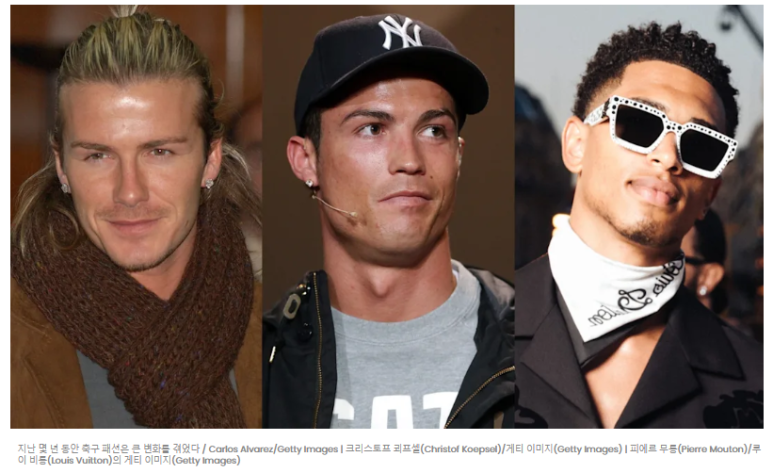
2010s-2020s: Blurring the Lines Between High-End and Street
Since the 2010s, football fashion has diversified further with collaborations between sportswear and luxury brands, limited edition collections, and retro revivals. Sports brands like Nike and Adidas collaborated with luxury brands such as Dior, Louis Vuitton, and Balmain, blurring the lines between football uniforms and streetwear, while players became ambassadors for fashion weeks and high-end brands. Influenced by social media platforms like Instagram, individual players’ styles spread globally, establishing football fashion as a global trend without boundaries between on-field and off-field attire.
Conclusion: The Boundless Evolution of Football and Fashion
From the hooligan casuals of the 1980s, streetwear of the 1990s, celebrity and retro styles of the 2000s, to the high-end-street fusion of the 2010s onwards, football fashion continues to evolve, breaking down the boundaries of culture and style. The influence of superstars like Beckham and Ronaldo remains strong, and today, football has established itself as a cultural phenomenon that drives global fashion and lifestyle beyond just a sport.
🔻함께보면 즐거운 콘텐츠 모음🔻
 it’s been a bird year for English football
man City 2024-25 season wrap-up: a brutal fall from grace
uniqlo’s color formula without the luxury: tycoons learn from Loro Piana
is it the same person? Kate Middleton’s fashion changed after marriage, and how to make a $60 mango dress look like a luxury item
misha Barton’s Y2K Chanel Style 20 Years Ago – Timeless Fashion Before Jenny
analyzing Alicia Silverstone’s look in Clueless and Blackpink’s Jenny-Susie’s style from 28 years ago
movie fashion 19 years ago, still chic today: comparing Anne Hathaway and Jenny’s Chanel styles
why Rich Hollywood Moms Are Serious About $60,000 Vans Sneakers
the real reason the world’s fashionistas wear Converse Chuck Taylors with dresses and skirts
kim Kardashian’s Chanel look from yesterday: the perfect balance of high jewelry and short cuts
are You The Same Person? Actresses Transformed by a Short Cut: Before & After
winning with 3 boxing gloves
it’s been a bird year for English football
man City 2024-25 season wrap-up: a brutal fall from grace
uniqlo’s color formula without the luxury: tycoons learn from Loro Piana
is it the same person? Kate Middleton’s fashion changed after marriage, and how to make a $60 mango dress look like a luxury item
misha Barton’s Y2K Chanel Style 20 Years Ago – Timeless Fashion Before Jenny
analyzing Alicia Silverstone’s look in Clueless and Blackpink’s Jenny-Susie’s style from 28 years ago
movie fashion 19 years ago, still chic today: comparing Anne Hathaway and Jenny’s Chanel styles
why Rich Hollywood Moms Are Serious About $60,000 Vans Sneakers
the real reason the world’s fashionistas wear Converse Chuck Taylors with dresses and skirts
kim Kardashian’s Chanel look from yesterday: the perfect balance of high jewelry and short cuts
are You The Same Person? Actresses Transformed by a Short Cut: Before & After
winning with 3 boxing gloves