
채식주의는 이제 단순한 식단을 넘어 완전한 요리 문화로 자리잡았습니다. 더 이상 평범한 샐러드에 국한되지 않고, 채식 레스토랑들은 무한한 채소의 가능성을 탐구하며 식도락가들을 매료시키고 있습니다. 오늘은 서울에서 색다른 채소의 얼굴과 셰프들의 깊은 철학이 담긴 4곳의 비건 파인다이닝 레스토랑을 소개해 드리겠습니다. 그럼 본문에서 바로 이어서 살펴보죠.
Vegetarianism has established itself as a complete culinary culture, no longer just a diet for a minority. Beyond simple salads, vegetarian restaurants are captivating food lovers by exploring the infinite possibilities of vegetables and presenting them as the perfect protagonists. Today, we introduce four vegan fine dining restaurants in Seoul that capture the colorful faces of vegetables and the deep philosophy of chefs on a plate.
1. Legume: Ecstasy in the Name of Vegan
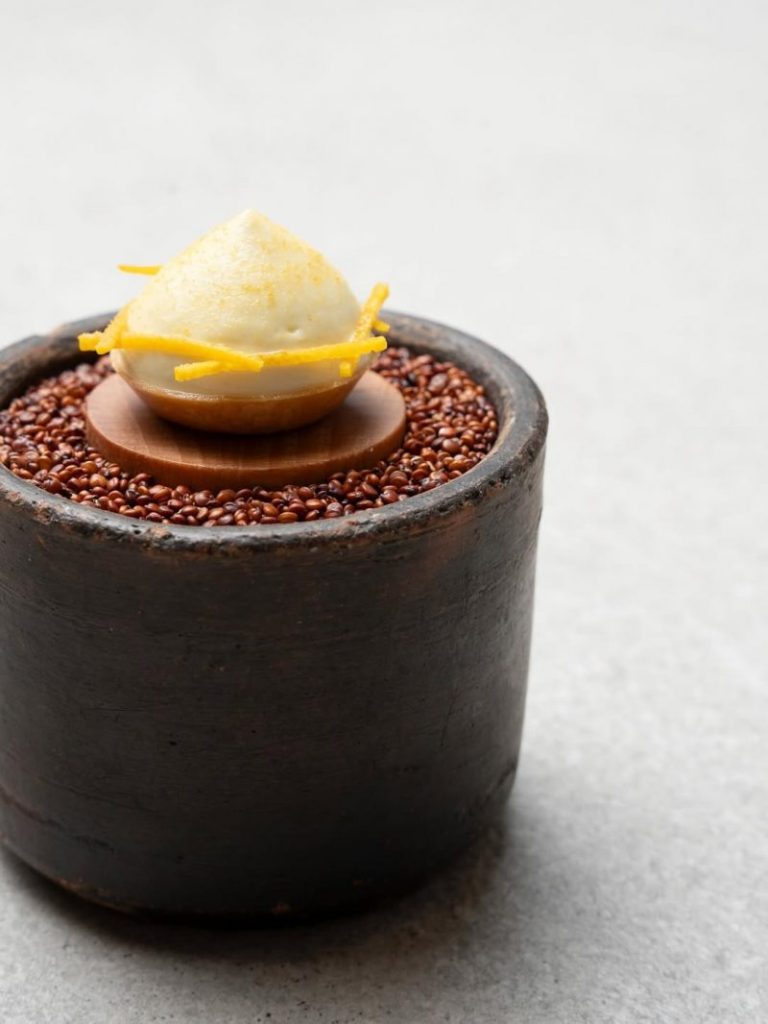
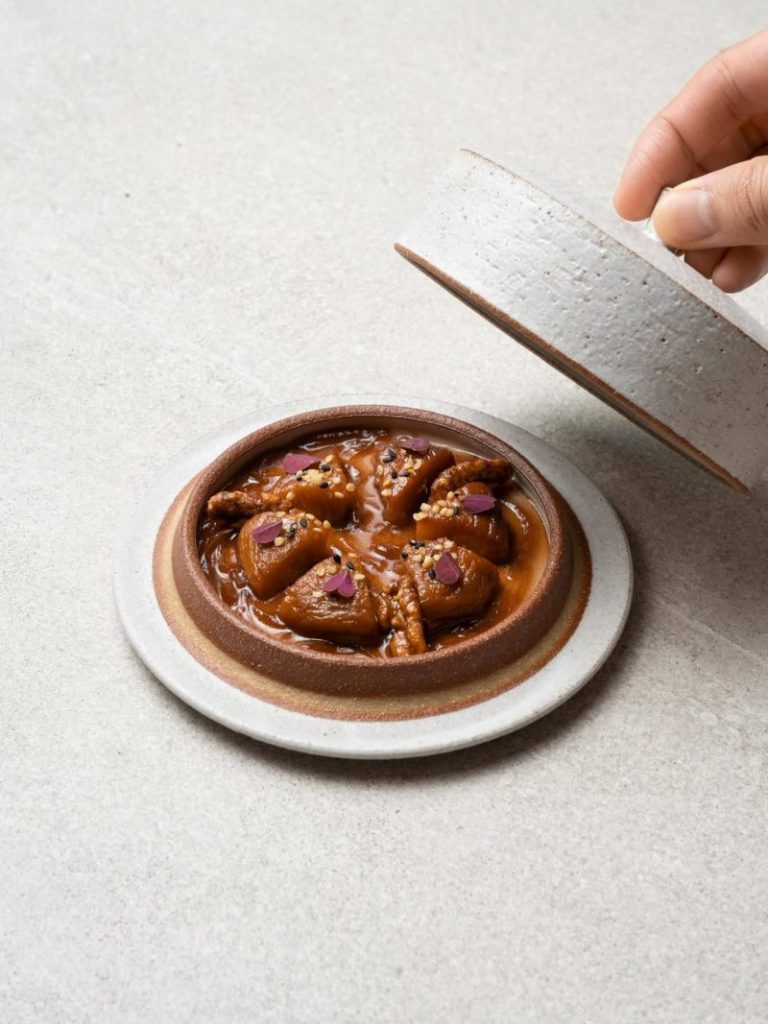
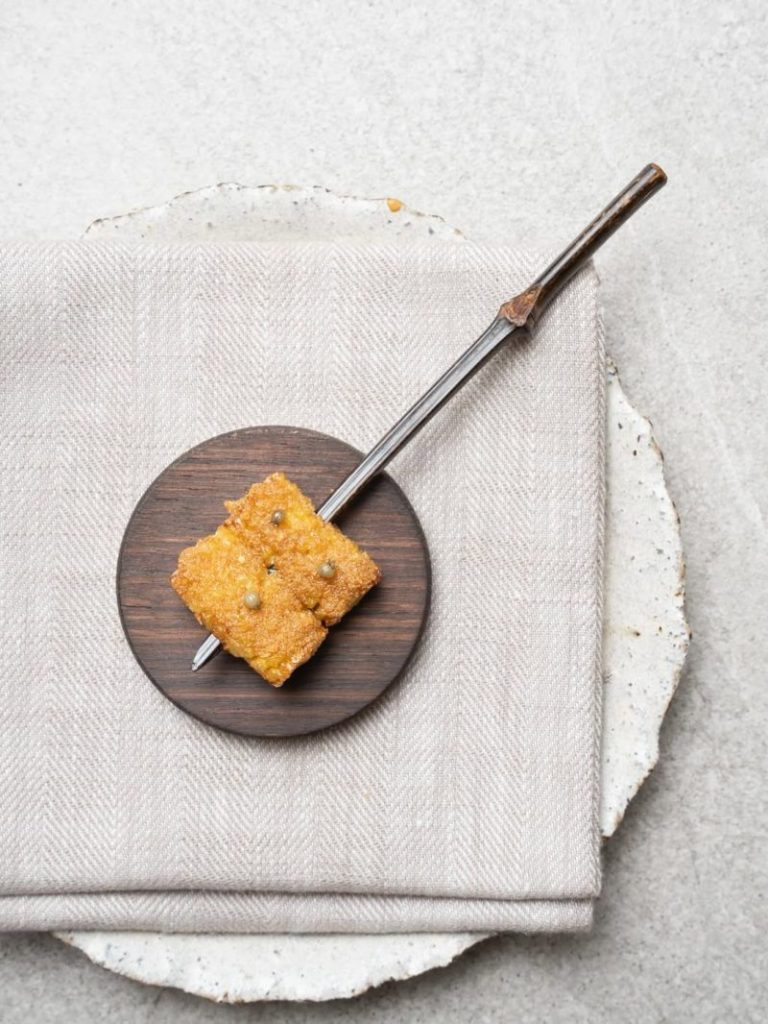
Led by Chef Seong Si-woo, who hails from the Michelin 1-star restaurant ‘Suanne’, ‘Legume’ sets a new standard for vegetarian dining with 100% vegan cuisine. Based on a zero-waste philosophy, it elegantly and intricately brings out the flavors of familiar vegetables like turnips, fernbrake, and carrots. The seasonal course, featuring dishes like orange and braised endive tartlet and fried sweet corn topped with coriander seeds, is refreshed every season, offering a delightful experience that is satisfying even for non-vegetarians.
ADD: 652 Gangnam-daero, Gangnam-gu, Seoul, 2nd Floor, Sinsa Square | INSTAGRAM: @legume.seoul
2. Localit: The Story Told by Local Vegetables
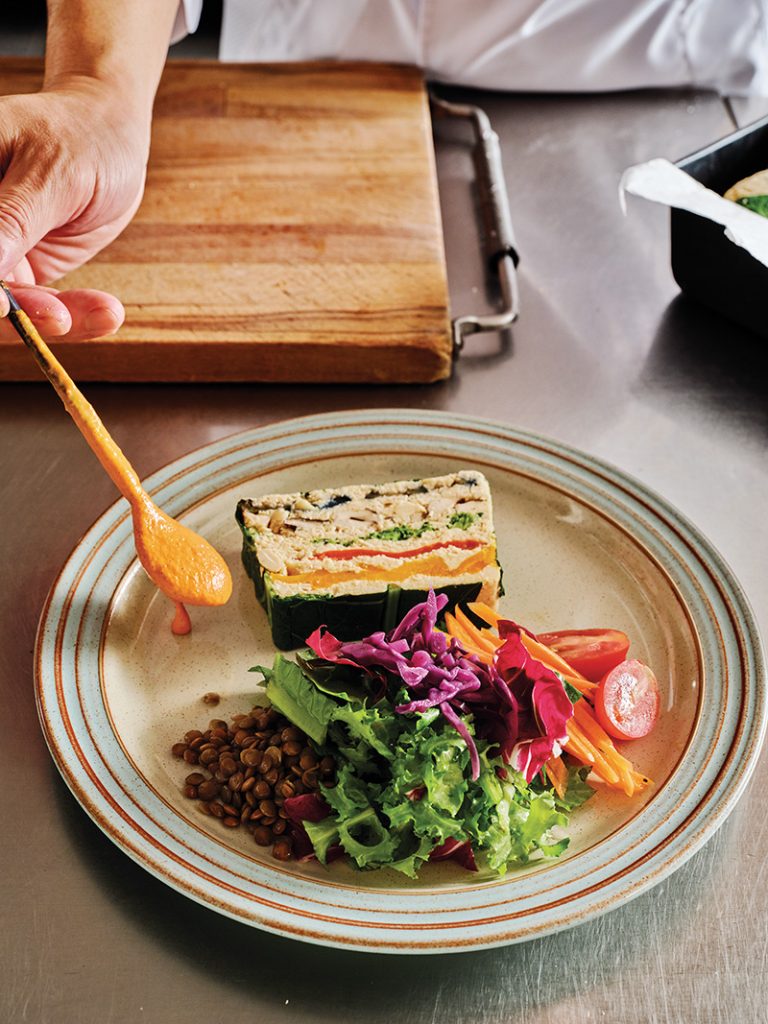
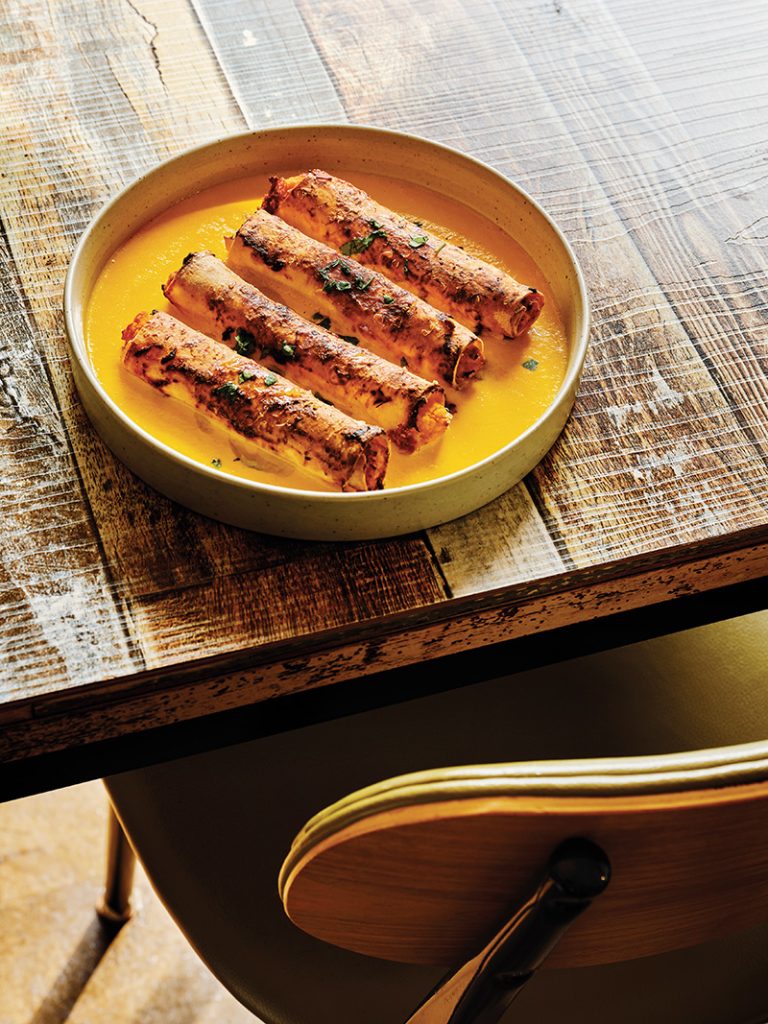
‘Localit’ in Okus-dong practices ‘Farm-to-table’, showcasing the potential of seasonal vegetables grown in our land through European cuisine. The signature dish ‘Vegetable Terrine’, born from direct interaction with farmers, is a work of art that layers the vibrant colors and flavors of the season. You can enjoy warm and healthy dishes featuring vegetables as the main ingredient, such as cannelloni stuffed with pumpkin and cheese, and gnocchi in spinach cream sauce.
ADD: 33 Hanlimmal-gil, Seongdong-gu, Seoul, 2nd Floor | INSTAGRAM: @the_local_eater
3. Bium: Writing the Grammar of Vegetarianism with Traditional Flavors
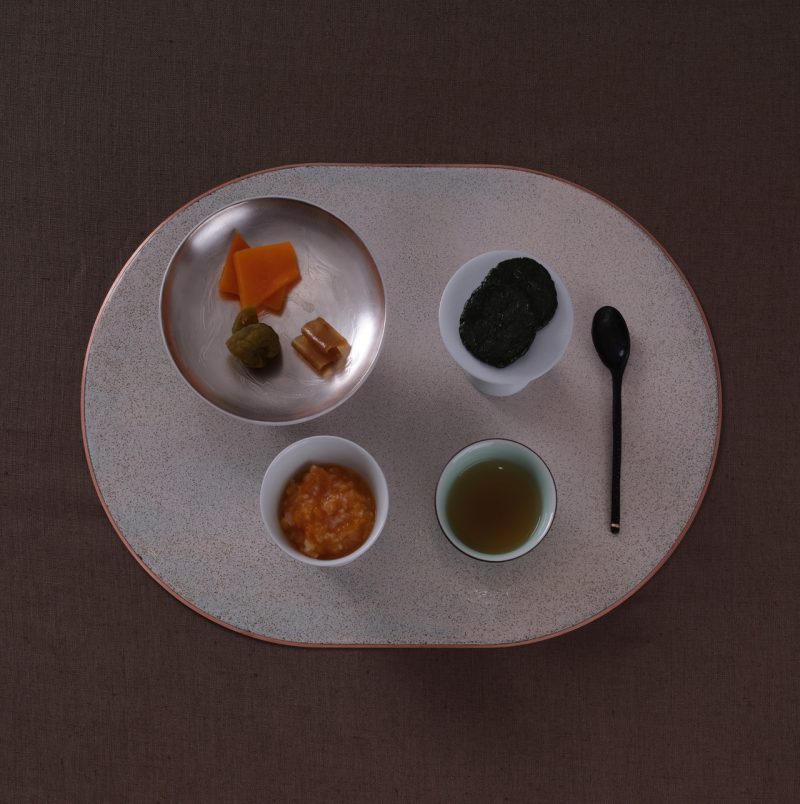
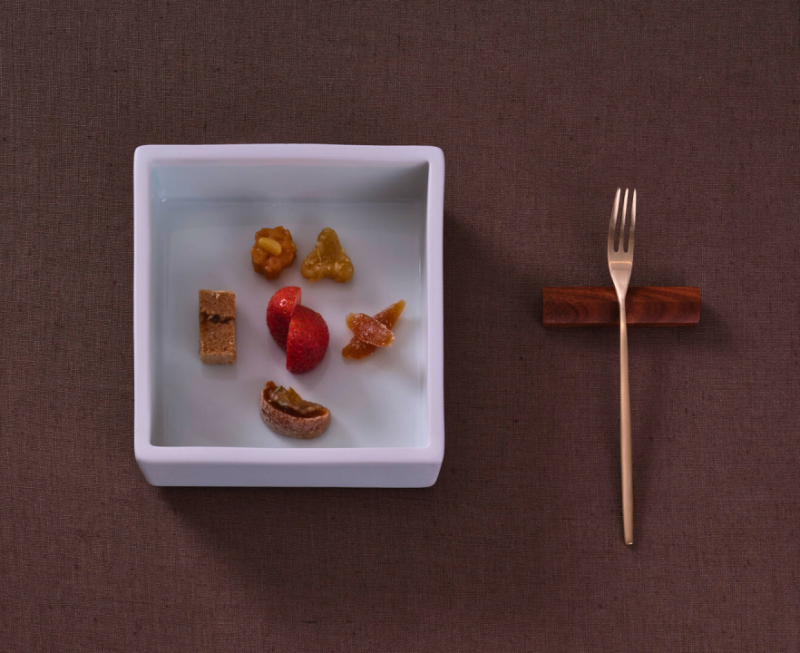
As the name suggests, ‘Bium’ presents a refined Korean cuisine centered on vegetables, having eliminated meat, seafood, and pungent vegetables. Chef Kim Dae-cheon modernly reinterprets the aesthetics of ‘Bium’ derived from temple food. The course meal harmoniously combines traditionally fermented sauces, seasonal wild greens grown in nature, rice, and rice cakes, showcasing a taste that approaches completion rather than deficiency. If you want to experience the essence of Korean vegetarian cuisine that delicately captures the flow of the seasons, this is the place to recommend.
ADD: 41 Hakdong-ro 97-gil, Gangnam-gu, Seoul, 1st Floor | INSTAGRAM: @biumseol
4. Millennium Flavor: Green Gastronomy as a Canvas for Creation
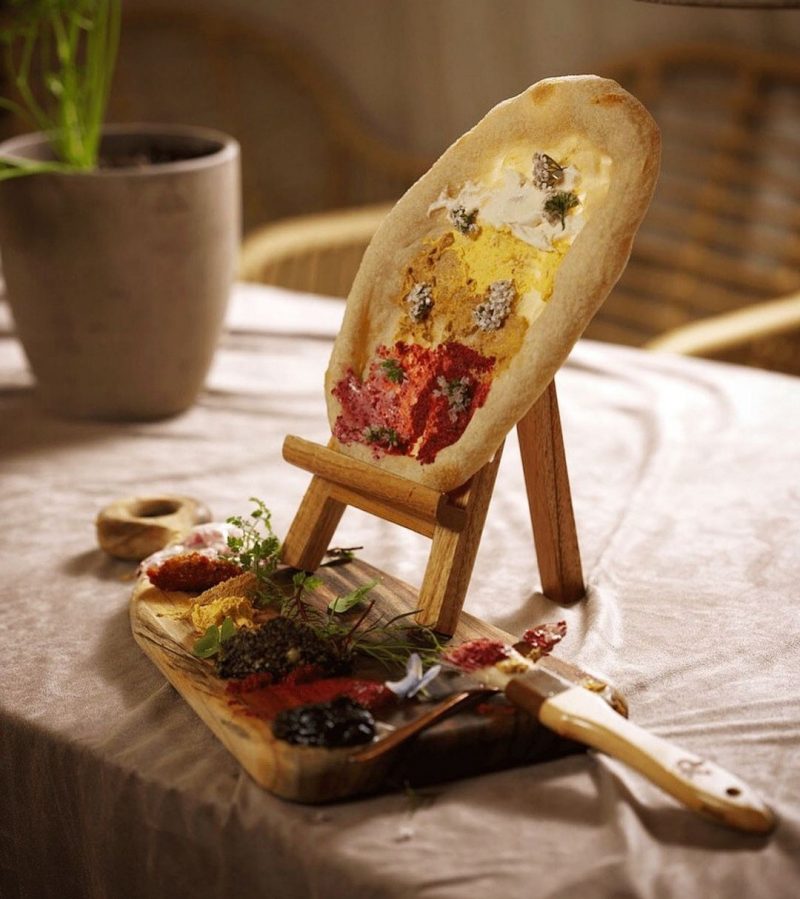
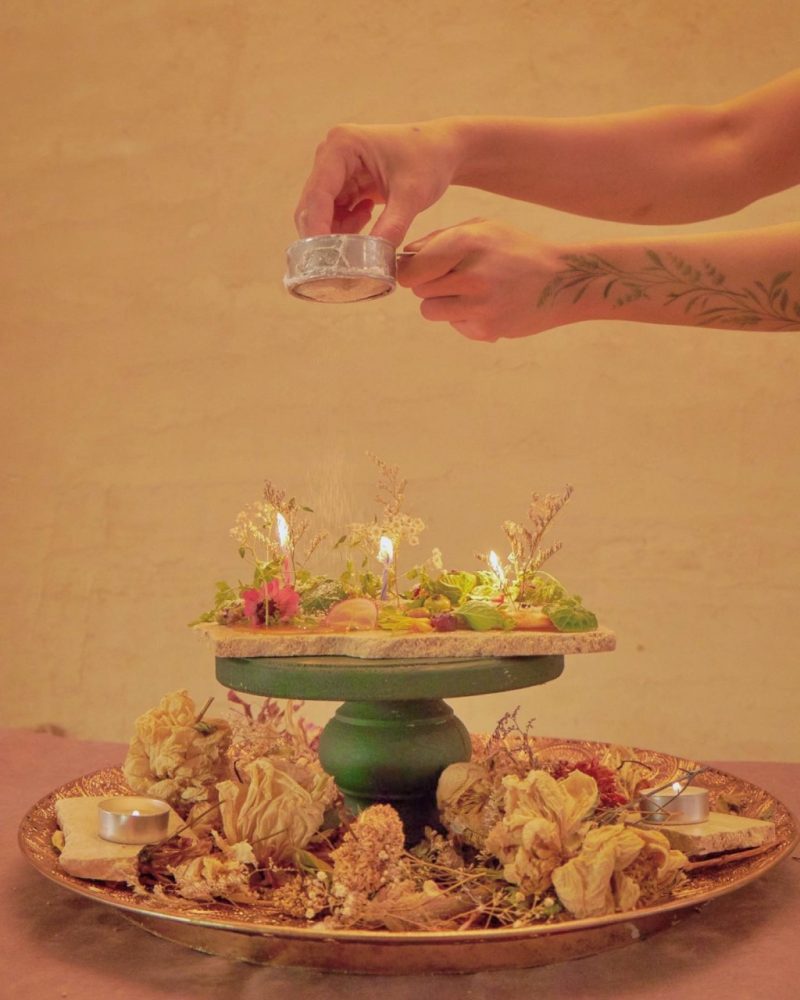
Chef Ahn Baek-rin of ‘Millennium Flavor’ creates vegan dishes as works of art through the keywords of zero waste and ‘fermentation’. He pickles using fermented carrot sauce and lacto-ferments mugwort, pushing the boundaries of his imaginative culinary world. The signature dish ‘Sex and Steak’ is a vegan steak that replicates the texture of raw beef by fermenting beets with nuruk, offering a new culinary delight even for meat lovers with adjustable cooking levels.
ADD: 316-1 Hyoryeong-ro, Seocho-gu, Seoul, 3rd Floor | INSTAGRAM: @millennial_dining
Frequently Asked Questions (FAQ)
Q. What makes ‘fine dining’ vegetarian restaurants different?
A. It’s not just about removing meat; various cooking methods (fermentation, braising, pureeing, etc.) are used to maximize the natural flavors, aromas, and textures of vegetables. They offer course meals using the best seasonal ingredients and provide a formal gourmet experience with wine or traditional alcohol pairings that complement the food.
Q. What is the difference between Vegan and Vegetarian?
A. Vegetarian refers to those who do not eat meat and seafood, categorized further into lacto-ovo (consuming dairy and eggs), lacto (consuming dairy), and ovo (consuming eggs) based on what they eat. Vegan is a stricter category, meaning a complete vegetarian who does not consume any animal products, including meat, fish, dairy, eggs, honey, gelatin, and all other types of animal-derived products.
Q. Is reservation necessary for the introduced restaurants?
A. Yes, most fine dining restaurants operate on a course meal basis and have limited seating, so prior reservation is essential. It’s advisable to check each restaurant’s Instagram or reservation platform before visiting.
🔻함께보면 즐거운 콘텐츠 모음🔻
 ‘House Nowhere Seoul’ Landed in Seongsu-dong
teastone Cellar, an underground cave where tea is aged in Osulloc, Jeju Island
art-filled Dosan Park, 2025 Gangnam Art Salon
the 43rd Seoul Architecture Prize Winners Announced|What is the Face of Seoul 2025?
tour the Seoul Film Center in Chungmuro, finally opening its doors – A new beginning for Seoul Cinematheque
conquering Starfield Suwon – From the Starfield Library to LP Cafe, a Cultural Shopping Spree
seongsu-dong Furniture Showroom ‘Moskapet’ – A warm space created with creators
3 Best Living Shops for Spring Decorating – Standard A, Cecil & Cedric, and Lemon Seoul
touring the showroom of Lee Chan-hyuk’s living brand ‘Seitoussé’
basha Coffee Opens 2nd Lotte Department Store – A Premium Coffee Bar Experience
oRVIS, a brand at one with nature
the new Saint Laurent Reve Dwight Paris – a blend of fashion, art, and gastronomy
‘House Nowhere Seoul’ Landed in Seongsu-dong
teastone Cellar, an underground cave where tea is aged in Osulloc, Jeju Island
art-filled Dosan Park, 2025 Gangnam Art Salon
the 43rd Seoul Architecture Prize Winners Announced|What is the Face of Seoul 2025?
tour the Seoul Film Center in Chungmuro, finally opening its doors – A new beginning for Seoul Cinematheque
conquering Starfield Suwon – From the Starfield Library to LP Cafe, a Cultural Shopping Spree
seongsu-dong Furniture Showroom ‘Moskapet’ – A warm space created with creators
3 Best Living Shops for Spring Decorating – Standard A, Cecil & Cedric, and Lemon Seoul
touring the showroom of Lee Chan-hyuk’s living brand ‘Seitoussé’
basha Coffee Opens 2nd Lotte Department Store – A Premium Coffee Bar Experience
oRVIS, a brand at one with nature
the new Saint Laurent Reve Dwight Paris – a blend of fashion, art, and gastronomy