
최근 8년 만에 1억 원을 넘는 고급 수입차 판매량이 감소했다는 소식이 전해졌습니다. 이는 경제 불황과 법인 차량을 위한 '라이트 그린 번호판' 제도의 도입이 주요 원인으로 지목되고 있습니다. 이러한 변화는 고급차 시장에 큰 영향을 미치고 있으며, 소비자들의 구매 심리에도 부정적인 영향을 미치고 있습니다. 그럼 본문에서 바로 이어서 살펴보죠.
Last year, the sales of high-priced imported cars exceeding 100 million won decreased for the first time in eight years. The main causes are cited as the economic recession and the impact of the ‘light green license plate’ system introduced for corporate cars.
Data Subject to the Korea Automobile Importers & Distributors Association (KAIDA)
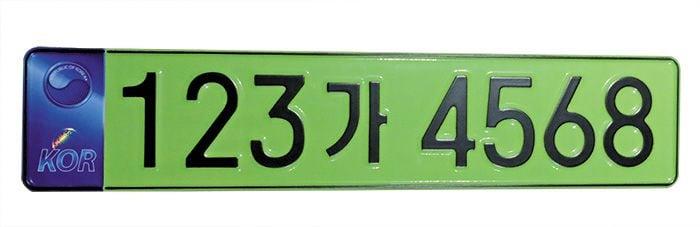
Last year, the sales of high-priced imported cars exceeding 100 million won decreased for the first time in eight years. The main causes are cited as the economic recession and the impact of the ‘light green license plate’ system introduced for corporate cars.
According to the report, the sales of imported cars priced over 100 million won in 2024 are expected to be 62,520 units, a decrease of 20.1% compared to the previous year. This marks the first negative growth since 2016, and the share of high-priced vehicles in the overall imported car market also decreased from 28.9% in 2023 to 23.7% in 2024, a drop of 5.2 percentage points.
By brand, BMW sold the most units at 24,543, followed by Mercedes-Benz (19,529 units) and Porsche (8,254 units). Notably, the luxury brand Bentley, with a price range of at least 300 million won, saw a significant decline from 810 units in 2023 to 400 units in 2024, marking a 50.6% drop, the largest decrease.
The main reasons for the sales decline are attributed to consumer contraction due to the economic recession and the introduction of the light green license plate system for corporate cars. Analysts suggest that the economic downturn has reduced the purchasing power of corporations and high-income individuals, and the introduction of the light green license plate has increased the psychological burden associated with using luxury corporate cars.
Purpose of the Light Green License Plate System
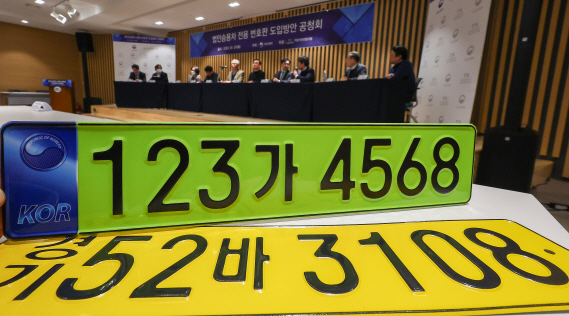
The light green license plate system was implemented starting in 2024 and is mandatorily applied to corporate passenger cars with a factory price of over 80 million won. The Ministry of Land, Infrastructure and Transport stated that this system aims to prevent the private use of corporate vehicles and encourage their operation according to their original purpose. While there are no mandatory driving restrictions, the noticeable color of the license plates is expected to create a psychological burden regarding private use. However, some have raised concerns that this system could lead to social stigmatization of certain vehicle owners.
Impact and Controversy Future Outlook
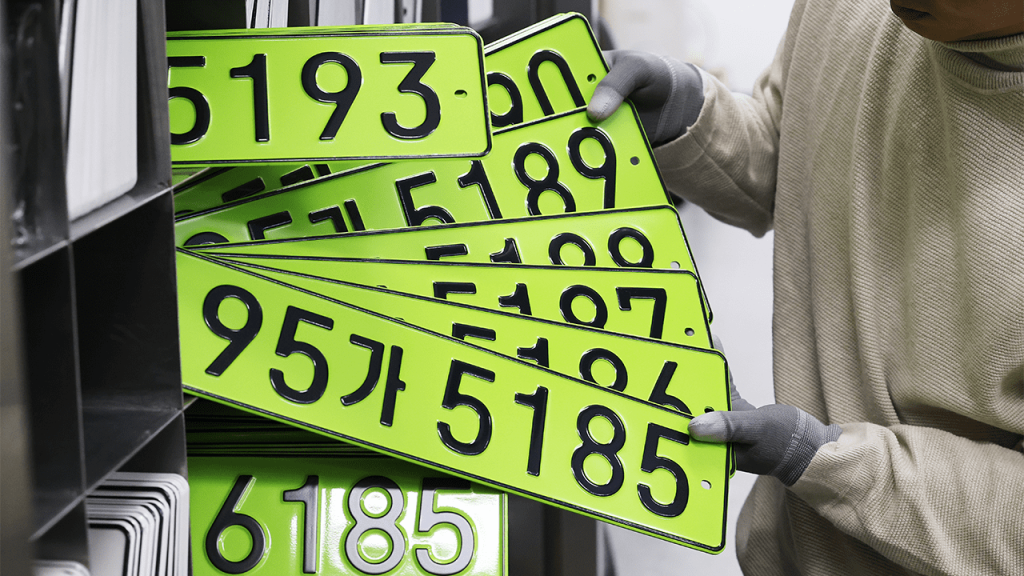
Industry insiders assess that the light green license plate has a significant impact on the high-priced imported car market, and it has been reported that some corporations are resorting to underreporting vehicle acquisition costs, prompting government investigations.
Additionally, there are analyses suggesting that some demand has been dispersed as domestic luxury brands like Genesis strengthen their competitiveness. Professor Lee Ho-geun from Daedeok University explained, “The economic recession is the biggest cause, and the high exchange rate has also contributed to the decreased price competitiveness of imported cars. With the introduction of the light green license plate system, it has likely made consumers more hesitant to purchase high-priced vehicles.”
The downturn in the imported car market is particularly noteworthy as it marks the first time in 26 years since the IMF financial crisis that there has been a consecutive decline for two years. According to KAIDA, the number of new registrations for imported passenger cars in 2024 is expected to be 263,288, a 2.9% decrease from 271,034 in 2023. This follows a 4.4% decrease in 2023 compared to the previous year, marking a consecutive decline for two years.
In light of this market situation, the imported car industry is implementing various strategies to recover sales. Efforts are ongoing to attract consumer interest through new car launches, enhanced marketing, and improved service quality, while also expanding the lineup of eco-friendly vehicles such as electric cars.
Audi Korea plans to introduce the most new models, 16 in total, in the Korean market in 2025 since the brand’s entry in 2004. Audi was among the ‘top 3’ imported car brands in South Korea until 2023, but in 2024, its sales fell below 10,000 units (9,304 units) for the first time in seven years, dropping its ranking to 7th place.
An industry insider stated, “The contraction of consumer sentiment due to the economic downturn is a phenomenon observed not only in Korea but also in the global market,” adding, “While it is difficult for the market to recover in the short term, there is an atmosphere of expectation for the effects of new car launches.”
🔻함께보면 즐거운 콘텐츠 모음🔻
 BMW Skytop Concept – A Luxury Tourer Where Classic Meets Future
2025 Mercedes AMG CLE 53 Cabriolet – A Fusion of Premium Open-Top Performance and Style
701 horsepower in everyday life, the 2026 Porsche 911 Turbo S (992.2) hybrid unveiled
Apple Dominates the Car OS: In-Depth Analysis of ‘CarPlay Ultra’ First Installed in Aston Martin
800-horsepower hybrid? The monster captured at the Nürburgring, the return of the Porsche 911 GT2 RS.
The Return of Popup Light: Singer Reimagines the Legendary Porsche 964 as Art
The one and only in the world, the legendary return: Pagani Zonda Unico
The Beast Completed with Carbon: New G90 M5, M Performance Parts Revealed
ferrari F76 Unveiled: The First Digital Hypercar to Transcend Reality
100 Years of Phantom, Rolls-Royce unveils a limited run of 25 Phantom Centenary Private
Wearing the soul of the F40: ferrari unveils new one-off model, the ‘SC40’
a one-of-a-kind tribute to dogs: rolls-Royce Spectre Bailey unveiled
BMW Skytop Concept – A Luxury Tourer Where Classic Meets Future
2025 Mercedes AMG CLE 53 Cabriolet – A Fusion of Premium Open-Top Performance and Style
701 horsepower in everyday life, the 2026 Porsche 911 Turbo S (992.2) hybrid unveiled
Apple Dominates the Car OS: In-Depth Analysis of ‘CarPlay Ultra’ First Installed in Aston Martin
800-horsepower hybrid? The monster captured at the Nürburgring, the return of the Porsche 911 GT2 RS.
The Return of Popup Light: Singer Reimagines the Legendary Porsche 964 as Art
The one and only in the world, the legendary return: Pagani Zonda Unico
The Beast Completed with Carbon: New G90 M5, M Performance Parts Revealed
ferrari F76 Unveiled: The First Digital Hypercar to Transcend Reality
100 Years of Phantom, Rolls-Royce unveils a limited run of 25 Phantom Centenary Private
Wearing the soul of the F40: ferrari unveils new one-off model, the ‘SC40’
a one-of-a-kind tribute to dogs: rolls-Royce Spectre Bailey unveiled