
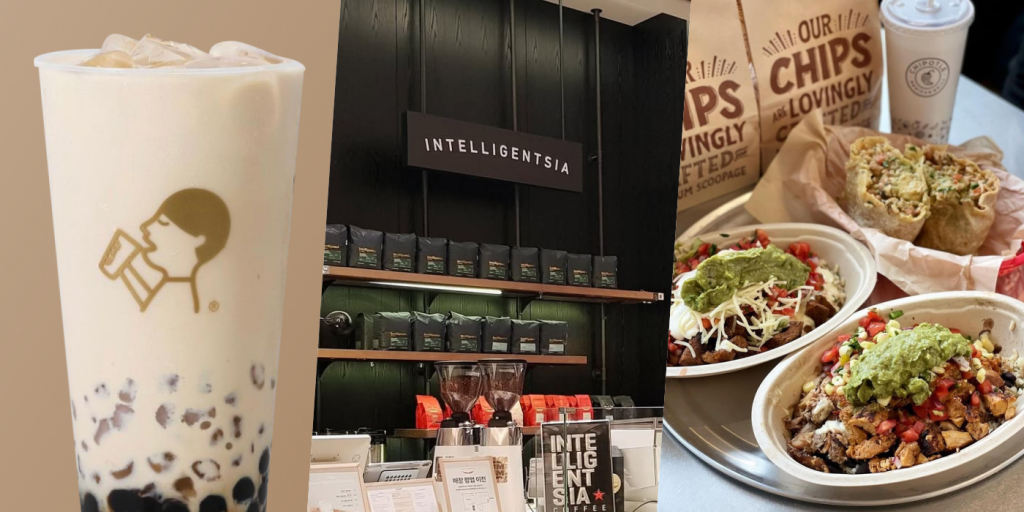
from Berlin’s top three roasteries Bonanza and Durban Coffee, to Mexican Chipotle and milk tea Hayti. global F&B destinations once only found on international trips are now readily available in Seoul. This trend has accelerated in the past three years, with more and more brands choosing to skip Japan and China for their first foray into Asia. Why are global brands eyeing Korea?
open market: specialty maturity
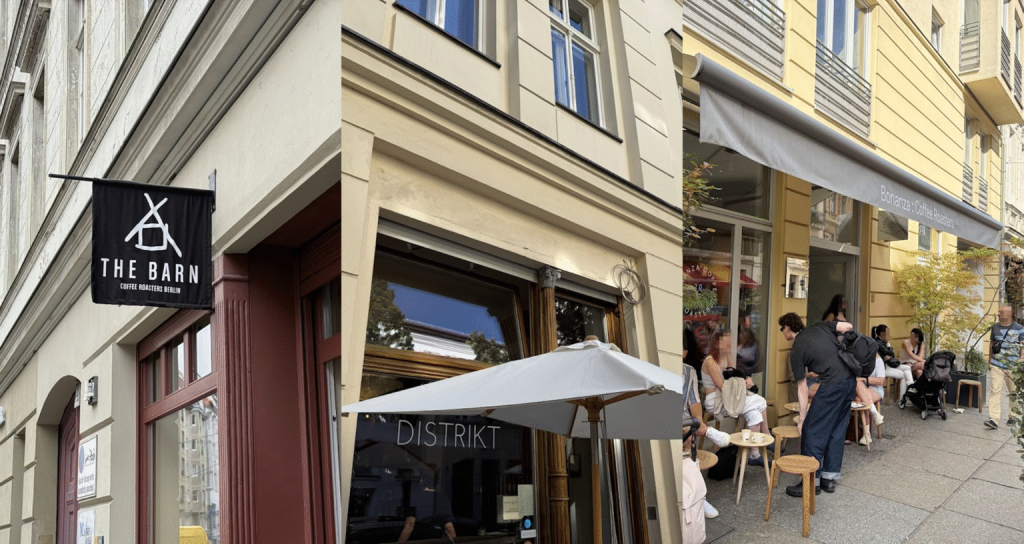
the maturity of the Korean coffee market is driving international brands to Korea. the specialty coffee market has grown from just 5% a decade ago to 20% today, with local champions like Caffe Libre-Terra Rosa paving the way. International brands know that Korean consumers already enjoy a coffee culture of global standards, and are confident that they can replicate the roasteries they’ve enjoyed on their travels in Seoul.
diversified consumption: taste + story
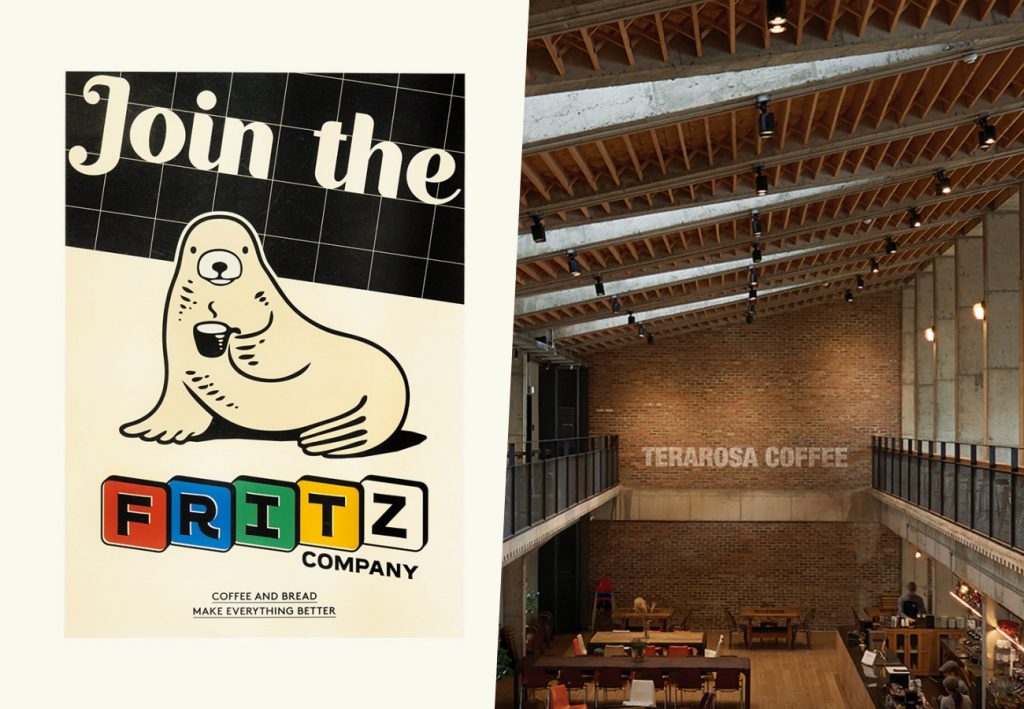
korean consumers don’t just evaluate “taste,” but also design, service experience, and brand history. according to a Nongyongyeon survey, 67.3% of Koreans prioritize “taste and quality” when purchasing bread, surpassing “price” (3.5%). in the era of ‘bread inflation’, where convenience store breads in the 1,000 won range and premium breads in the 10,000 won range coexist, global brands are looking for their own differentiated position in this wide spectrum.
cultural showcase: The impact of K-content
The global popularity of K-pop and K-dramas and the increasing number of foreigners visiting Korea make Seoul stores more than just a place to sell, but a “brand showcase. success in Seoul not only exposes you to local and global fans, but also opens up the possibility of being featured in K-content. korea is attractive to global brands as an “image stage” for more than just sales.
survival strategies: scarcity vs. first-mover advantage
the scarcity strategy: The success of Italian grocerants
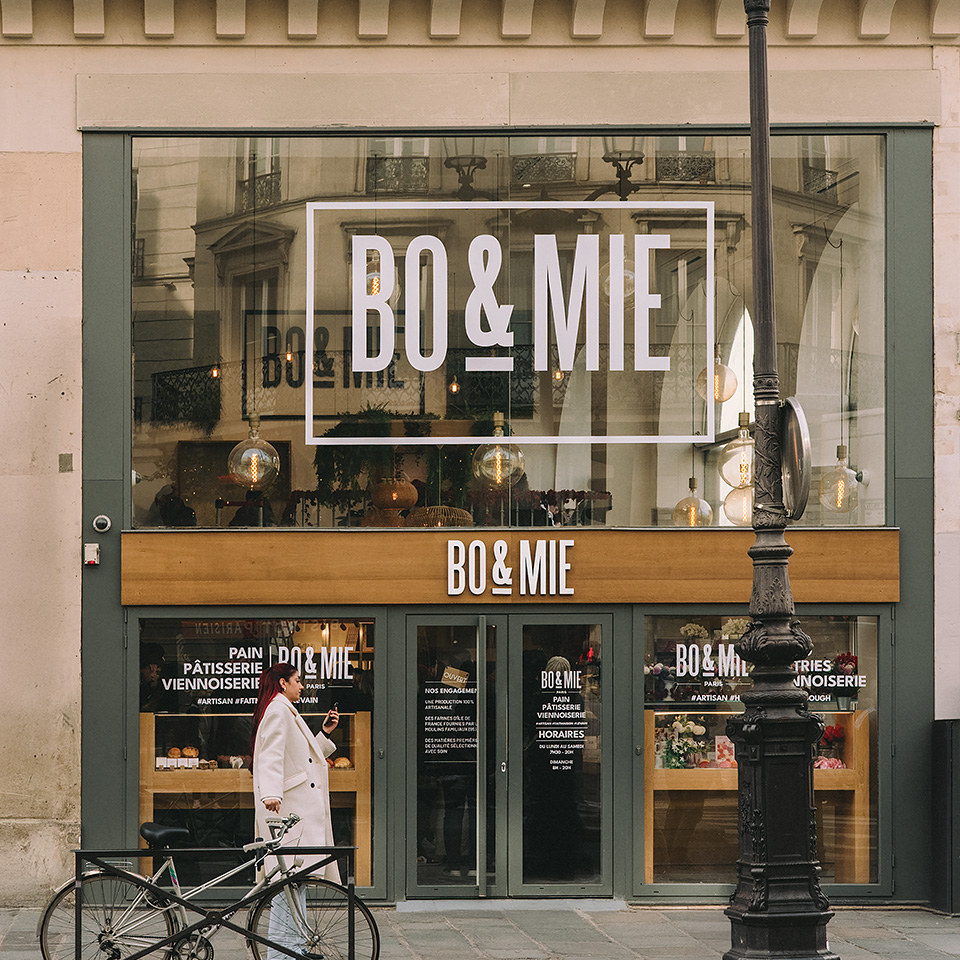
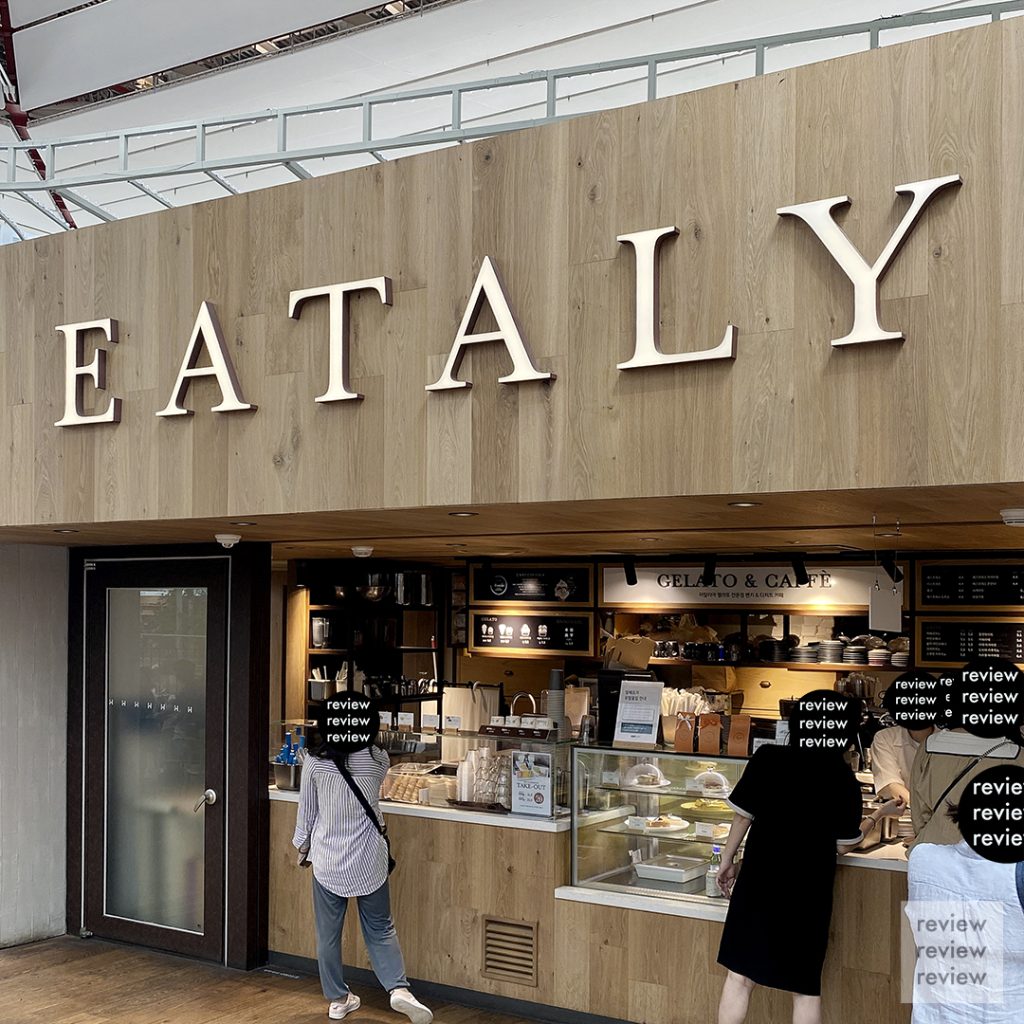
a strategy of limiting the number of stores and focusing on luxury works. eATALY, which partnered with Hyundai Department Store, survived for 10 years with three stores in Pangyo, The Hyundai Seoul, and Middle East, achieving average monthly sales of KRW 600 million. The key is to provide a differentiated experience, not rapid expansion.
first-mover strategy: Chipotle’s challenge
Chipotle, in partnership with SPC, aims to follow the Starbucks-Shake Shack success story and expand quickly and dominate the category. however, like Tim Hortons, high prices and barriers to entry are pitfalls to avoid. on the other hand, Chinese milk tea brands like Cha Baekdo-Heity have already surpassed 18 stores (15 franchisees) and are on track to reach 50 stores.
opportunity in crisis: Korean brands take off
while the arrival of global brands is a threat to local brands, it is also an opportunity. Brands that have proven themselves in Seoul, like Noted, which opened its first store in LA, have a foothold in the world. the real winners will be the local champions who survive the cross-border competition.
🔻함께보면 즐거운 콘텐츠 모음🔻
 ‘House Nowhere Seoul’ Landed in Seongsu-dong
teastone Cellar, an underground cave where tea is aged in Osulloc, Jeju Island
art-filled Dosan Park, 2025 Gangnam Art Salon
the 43rd Seoul Architecture Prize Winners Announced|What is the Face of Seoul 2025?
tour the Seoul Film Center in Chungmuro, finally opening its doors – A new beginning for Seoul Cinematheque
conquering Starfield Suwon – From the Starfield Library to LP Cafe, a Cultural Shopping Spree
seongsu-dong Furniture Showroom ‘Moskapet’ – A warm space created with creators
3 Best Living Shops for Spring Decorating – Standard A, Cecil & Cedric, and Lemon Seoul
touring the showroom of Lee Chan-hyuk’s living brand ‘Seitoussé’
basha Coffee Opens 2nd Lotte Department Store – A Premium Coffee Bar Experience
oRVIS, a brand at one with nature
the new Saint Laurent Reve Dwight Paris – a blend of fashion, art, and gastronomy
‘House Nowhere Seoul’ Landed in Seongsu-dong
teastone Cellar, an underground cave where tea is aged in Osulloc, Jeju Island
art-filled Dosan Park, 2025 Gangnam Art Salon
the 43rd Seoul Architecture Prize Winners Announced|What is the Face of Seoul 2025?
tour the Seoul Film Center in Chungmuro, finally opening its doors – A new beginning for Seoul Cinematheque
conquering Starfield Suwon – From the Starfield Library to LP Cafe, a Cultural Shopping Spree
seongsu-dong Furniture Showroom ‘Moskapet’ – A warm space created with creators
3 Best Living Shops for Spring Decorating – Standard A, Cecil & Cedric, and Lemon Seoul
touring the showroom of Lee Chan-hyuk’s living brand ‘Seitoussé’
basha Coffee Opens 2nd Lotte Department Store – A Premium Coffee Bar Experience
oRVIS, a brand at one with nature
the new Saint Laurent Reve Dwight Paris – a blend of fashion, art, and gastronomy