
로또 1등에 당첨되는 확률은 번개에 맞는 것보다 낮습니다. 그럼에도 불구하고, 이 거의 불가능한 행운을 14번이나 이룬 사람이 있습니다. 그는 루마니아 출신의 경제학자 스테판 만델입니다. 만델은 단순한 운에 의존하지 않고, 치밀한 수학적 계산과 시스템의 허점을 이용한 전략으로 로또를 '행운의 게임'에서 '확률의 게임'으로 변화시켰습니다. 이제 아래에서 하나씩 확인해보겠습니다.
The odds of winning the Lotto first prize are lower than being struck by lightning. Yet, there is a man who has achieved this near-impossible luck a staggering 14 times. He is Stefan Mandel, an economist from Romania. He did not rely on blind luck. With meticulous mathematical calculations and strategies that exploited the loopholes in the system, he transformed the lottery, which was once in the realm of ‘luck,’ into a game of ‘probability.’
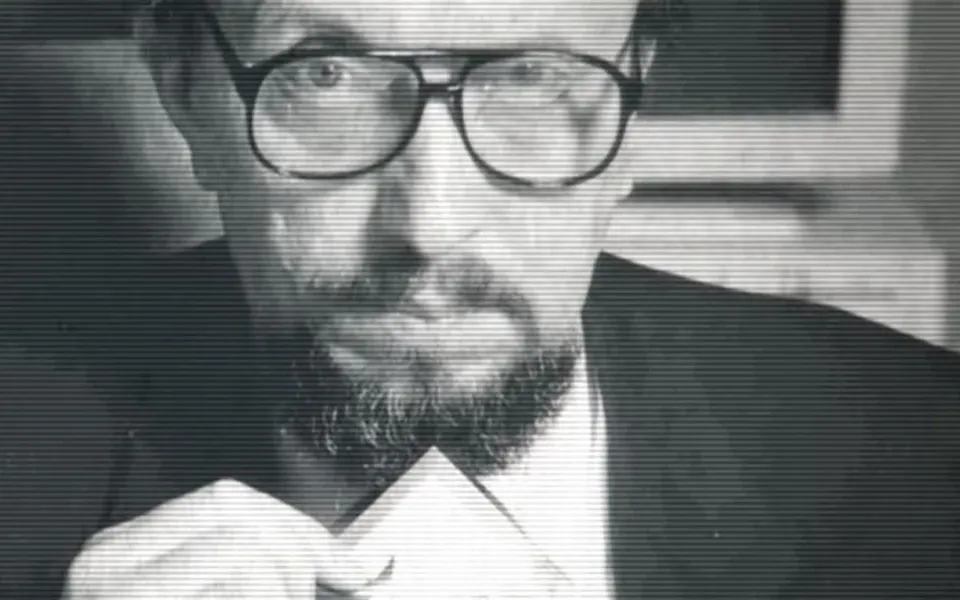
A Salary of $88: The First Step to Escape Poverty
In 1950s communist Romania, Mandel’s salary was a mere $88. To escape poverty, he turned his attention to the lottery, but his approach was unique. Diving into numerous probability papers, he developed an algorithm to maximize the chances of winning second place by correctly guessing 5 out of 6 numbers. After securing investments from friends to put his plan into action, he was fortunate enough to win first place, using the money to escape Romania and settle in Australia.
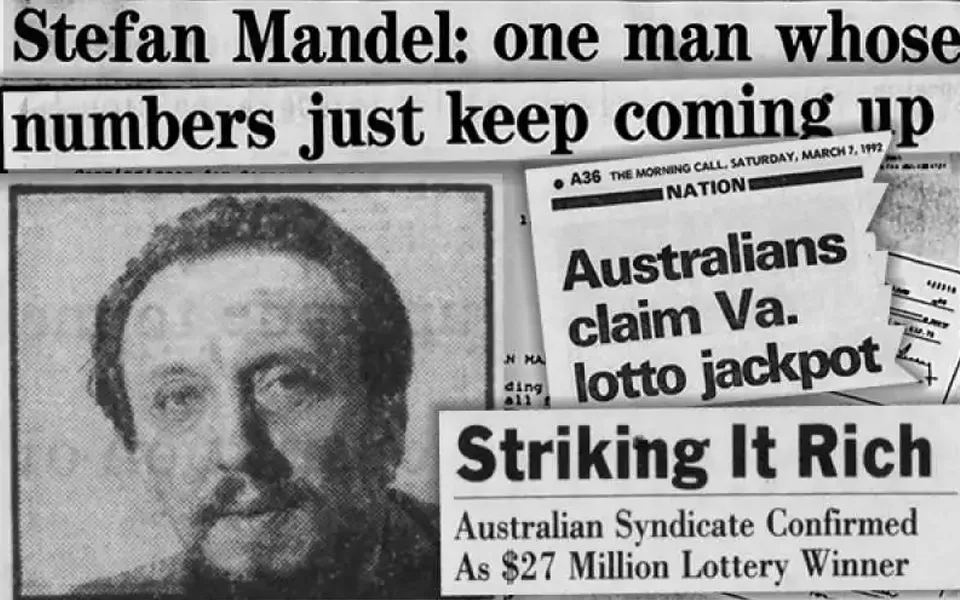
Buying All Combinations: Mandel’s 6-Step Winning Formula
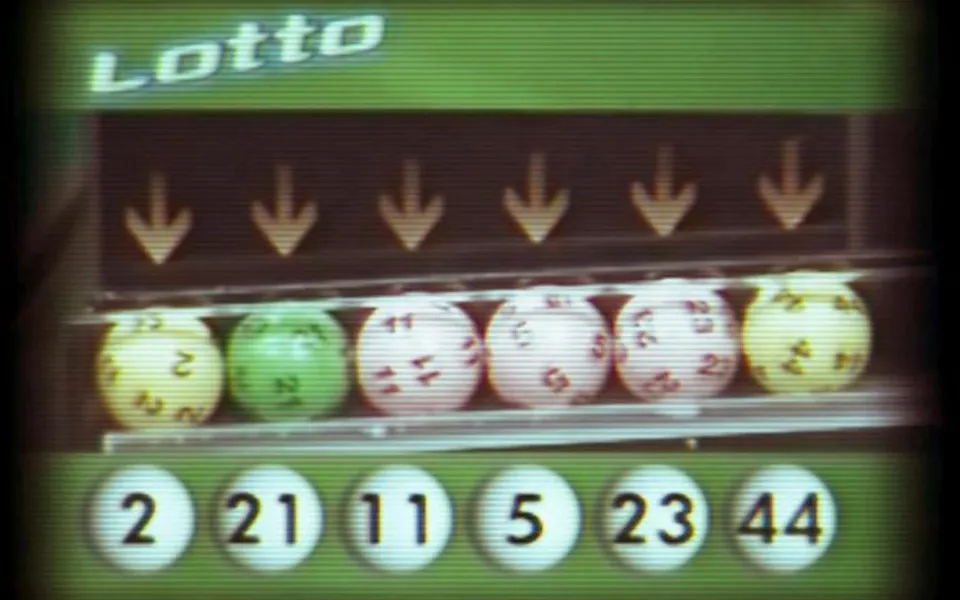
In Australia, where there were no restrictions on lottery purchases, Mandel devised an even bolder plan: to buy ‘every possible combination of lottery tickets.’ He only executed this strategy when the jackpot prize was more than three times the total cost of buying all combinations. He gathered investors to raise funds and built an automated system with computers and printers, resulting in 12 first-place wins in Australia throughout the 1980s.
Mandel’s 6-Step Formula
- Calculate the total number of possible number combinations.
- Find lotteries where the jackpot prize is more than three times the total ticket purchase cost.
- Gather sufficient funds from investors to purchase each combination.
- Use computer algorithms to print the lottery tickets for all combinations.
- Submit the printed millions of lottery tickets to official retailers to complete the purchase.
- Collect the winnings and share the profits with the investors.
The ‘Virginia Lottery Sweep’ That Shook America

Mandel’s challenge extended to the United States. He targeted the Virginia Lottery, which had a relatively low number of combinations at 7.05 million. In 1992, as the jackpot soared to $27 million, he raised funds from 2,524 investors and shipped 7 million printed lottery tickets to the U.S. Although he could only purchase about 6.4 million tickets due to some retailers opting out, Lady Luck was on his side. He ultimately won first place, taking home approximately $28 million, including the jackpot of $27 million and additional prizes.
The End of a Legend and What Remains

After this unprecedented event, Mandel was investigated by 14 agencies, including the FBI and CIA, but his methods were concluded to be legal. However, after distributing profits to numerous investors and enduring a lengthy legal battle, he filed for bankruptcy in 1995 and left the lottery scene. He is now said to be living a quiet life on an island in the South Pacific. Following the Mandel case, most countries introduced regulations to prevent a single person from purchasing all combinations, and he remains the first and last person to have beaten the lottery system with mathematics in history.
🔻함께보면 즐거운 콘텐츠 모음🔻
 U.S. financial stocks in Q1 2025: JP Morgan says “chaos is inevitable,” BlackRock states “market instability persists”
Reflecting Again on Korea’s Last Trade Warrior, Kim Hyun-jong
Three internet-only banks see loans to low to mid-credit borrowers surpass 30% for five consecutive quarters… Accelerating innovation in digital inclusive finance.
Naver’s Lee Hae-jin Returns and Global AI Strategy | Overcoming the LINE Crisis and Entering Silicon Valley
Why is it harder for highly educated men to date? Increased feelings of depression and loneliness.
Summary of Changes to Year-End Tax Settlement Simplification Service This Year | National Tax Service AI Consultation, Expansion of Living Deductions
The U.S. Congressional Committee demands the blocking of deepfake sexual exploitation materials in AI.
Won value near global bottom? Approaching ‘lowest level since financial crisis’
another Pu Bao Coming? China-China discusses additional panda rentals
nvidia Declares ‘AI Alliance’ with South Korea…Delivers 260,000 GPUs, Releases Tribute Video
New York Rockefeller Center Rockefeller Center New York Hotels ep.2
winning with 3 boxing gloves
U.S. financial stocks in Q1 2025: JP Morgan says “chaos is inevitable,” BlackRock states “market instability persists”
Reflecting Again on Korea’s Last Trade Warrior, Kim Hyun-jong
Three internet-only banks see loans to low to mid-credit borrowers surpass 30% for five consecutive quarters… Accelerating innovation in digital inclusive finance.
Naver’s Lee Hae-jin Returns and Global AI Strategy | Overcoming the LINE Crisis and Entering Silicon Valley
Why is it harder for highly educated men to date? Increased feelings of depression and loneliness.
Summary of Changes to Year-End Tax Settlement Simplification Service This Year | National Tax Service AI Consultation, Expansion of Living Deductions
The U.S. Congressional Committee demands the blocking of deepfake sexual exploitation materials in AI.
Won value near global bottom? Approaching ‘lowest level since financial crisis’
another Pu Bao Coming? China-China discusses additional panda rentals
nvidia Declares ‘AI Alliance’ with South Korea…Delivers 260,000 GPUs, Releases Tribute Video
New York Rockefeller Center Rockefeller Center New York Hotels ep.2
winning with 3 boxing gloves