축구의 세계에서 월드컵은 매 순간마다 특별한 의미를 가집니다. 그 중심에는 언제나 하나의 공이 존재했으며, 이는 단순한 경기 도구를 넘어 축구 역사와 기술, 디자인을 담아내는 매개체로 자리매김하였습니다. 1970년 멕시코 월드컵에서부터 시작된 아디다스의 공식 경기를 위한 공들은 펠레의 세 번째 월드컵 우승부터 메시의 마지막 꿈을 이루기까지, 지난 50년의 여정을 함께 해왔습니다. 이제 구체적인 방법을 아래에서 확인해보도록 하겠습니다.
At the center of every iconic moment in the World Cup has always been a single ball. Since the 1970 Mexico World Cup, the Adidas World Cup Official Match Ball has transcended being just a game tool, serving as a medium that captures the technology and design of the times, as well as legendary moments that have defined football history. From the ‘Telstar’ that led Pelé to his third World Cup victory to the ‘Al Rihla’ that fulfilled Messi’s final dream, we reflect on the journey of the past 50 years.
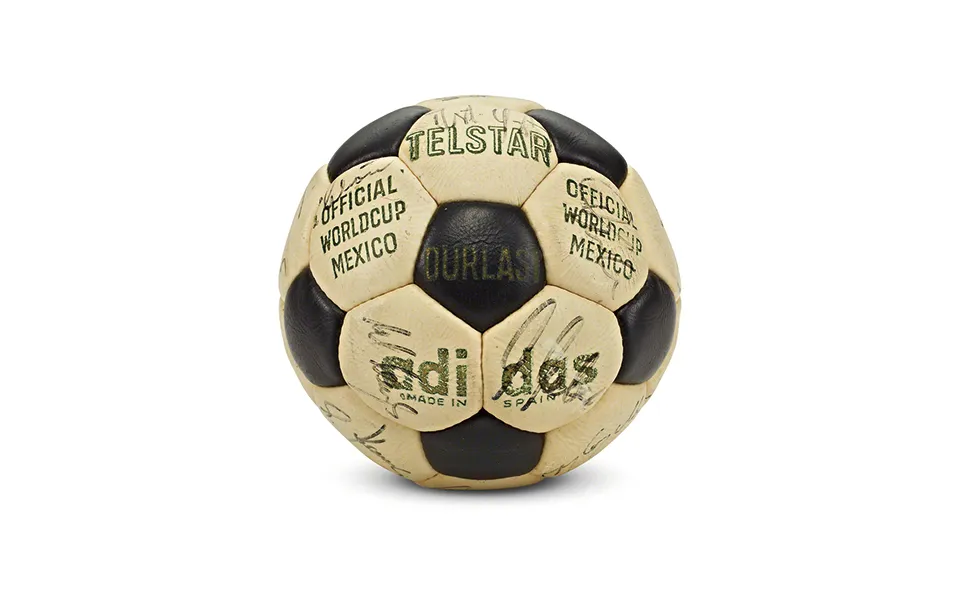
1970-1974: The Birth of ‘Telstar’, the Star of Television
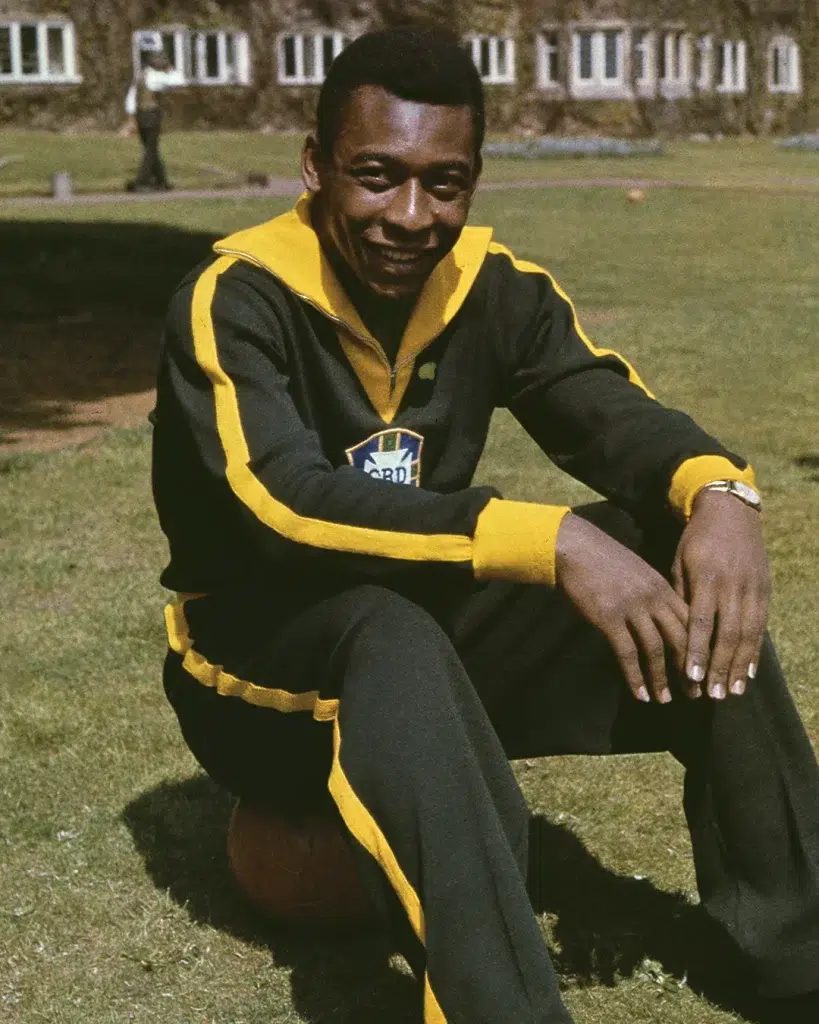
First introduced at the 1970 Mexico World Cup, the Telstar became a symbol of the football. True to its name as the ‘Star of Television’, its design featuring 12 black pentagons and 20 white hexagons was optimized for black-and-white TV broadcasts, replacing the previous brown leather balls and creating a visual revolution. At the 1974 West Germany World Cup, the ‘Telstar Durlast’ with waterproof coating and the pure white ‘Chile’ were used together. These balls accompanied Pelé’s Brazil in their third victory and West Germany’s triumph over Cruyff’s Netherlands.
1978-1998: The Era of ‘Tango’ Design
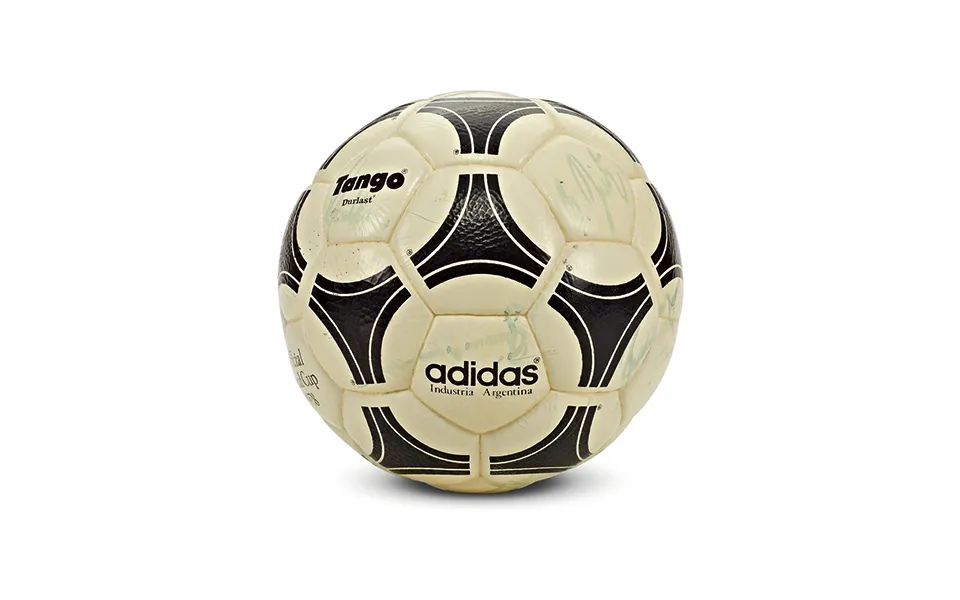
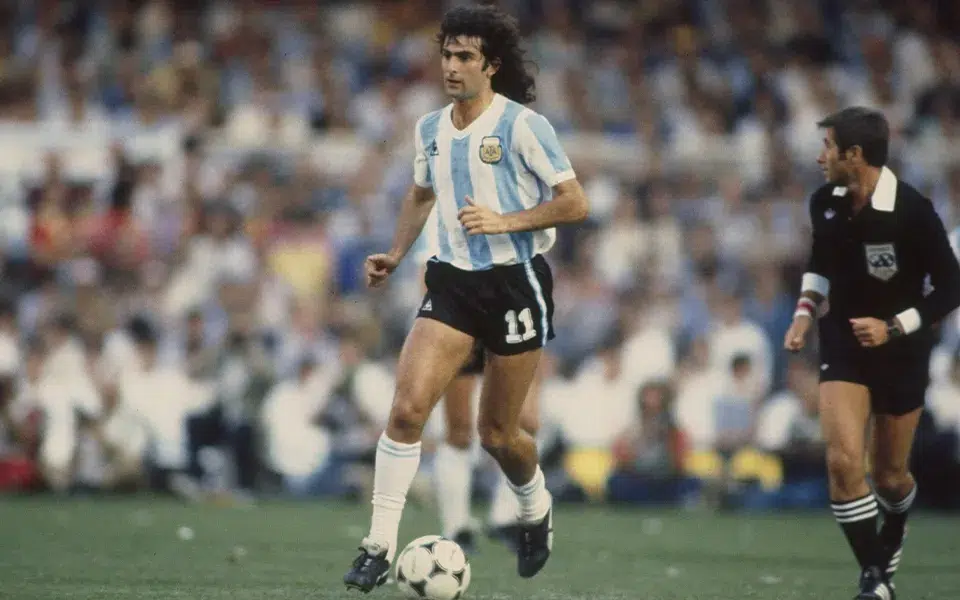
Introduced at the 1978 Argentina World Cup, the Tango marked the beginning of a legendary design that dominated five World Cups over 20 years. The design, which created an optical illusion of 12 triangles appearing as 20 circles, celebrated Argentina’s first victory. Subsequently, the official World Cup balls underwent continuous technological evolution.
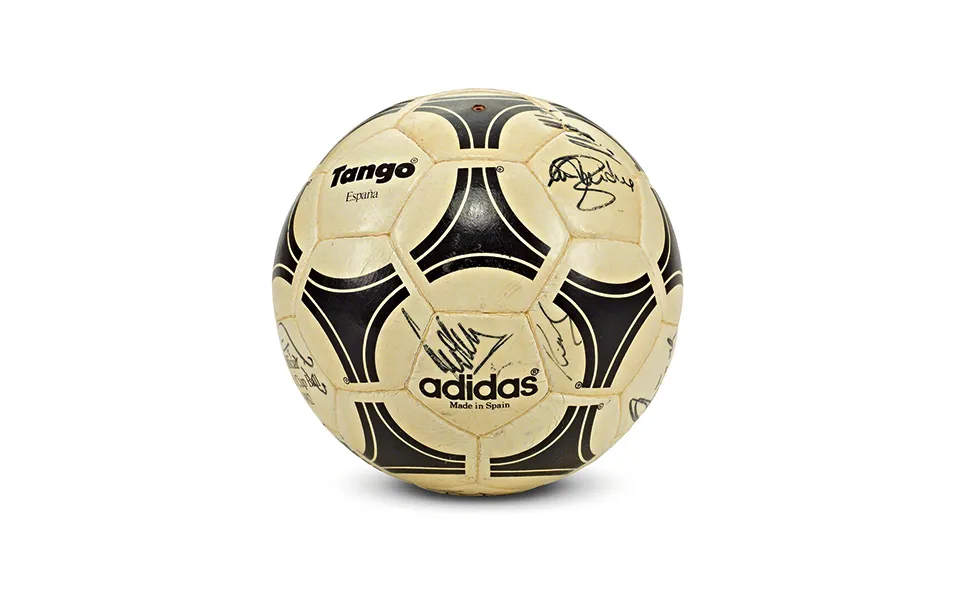
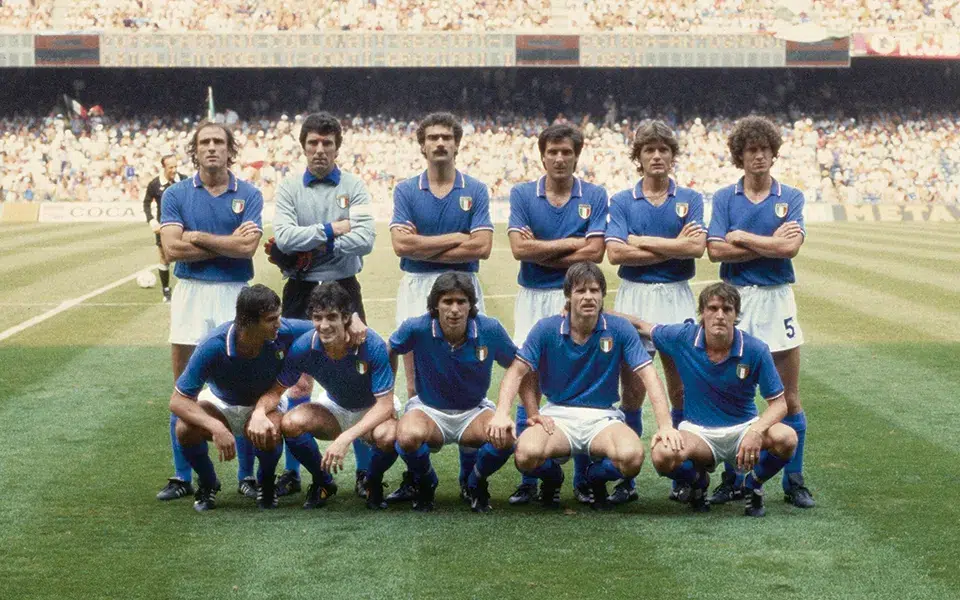
1982 Tango España: The last natural leather official match ball that incorporated synthetic materials for the first time and enhanced waterproofing. It brought Italy their first victory in 44 years thanks to Paolo Rossi’s stellar performance.
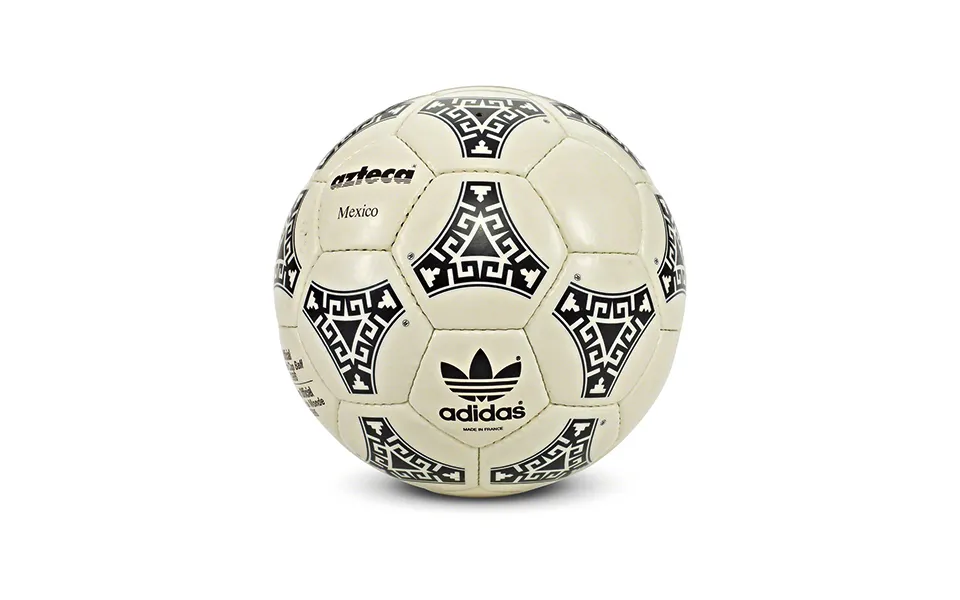
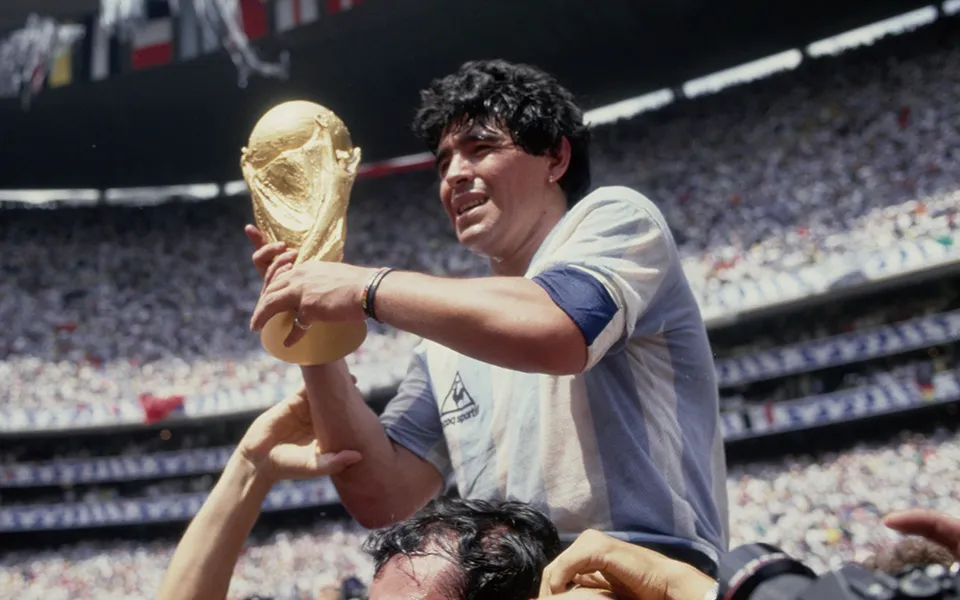
1986 Azteca: The first official match ball made entirely of synthetic materials. Both Maradona’s ‘Hand of God’ and ‘Goal of the Century’ were scored with this ball.
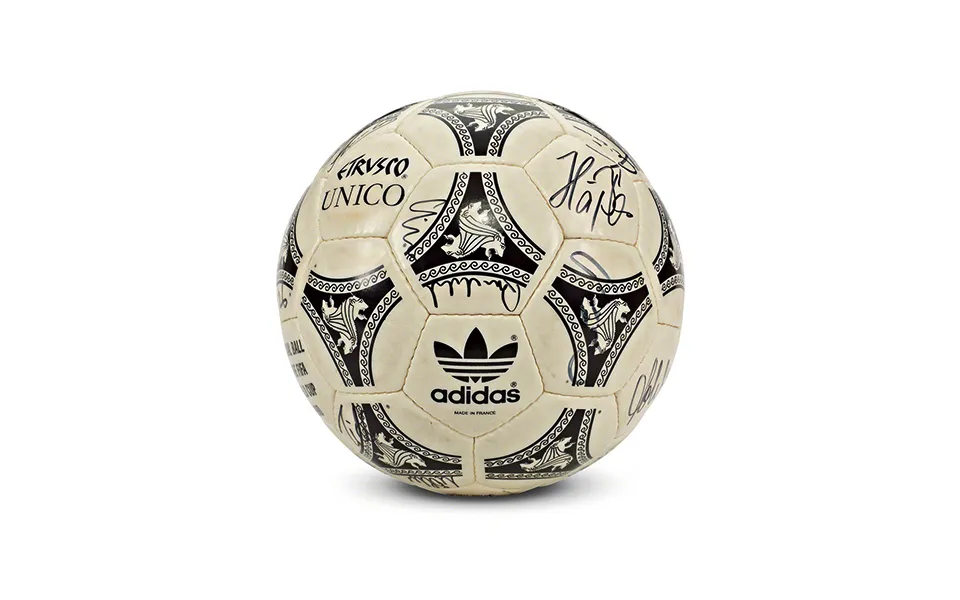
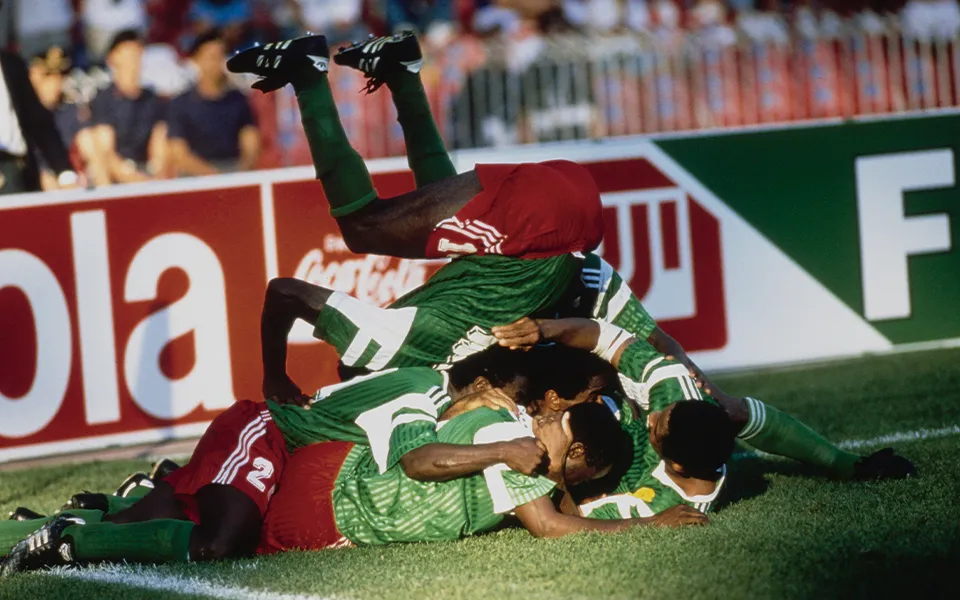
1990 Etrusco Unico: The first ball to incorporate polyurethane foam inside, enhancing cushioning and rebound.
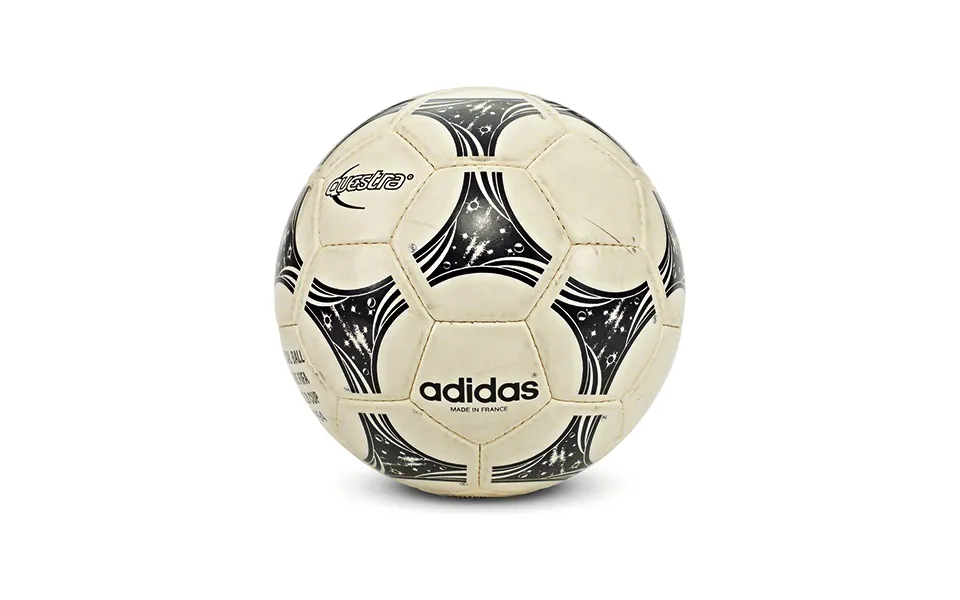
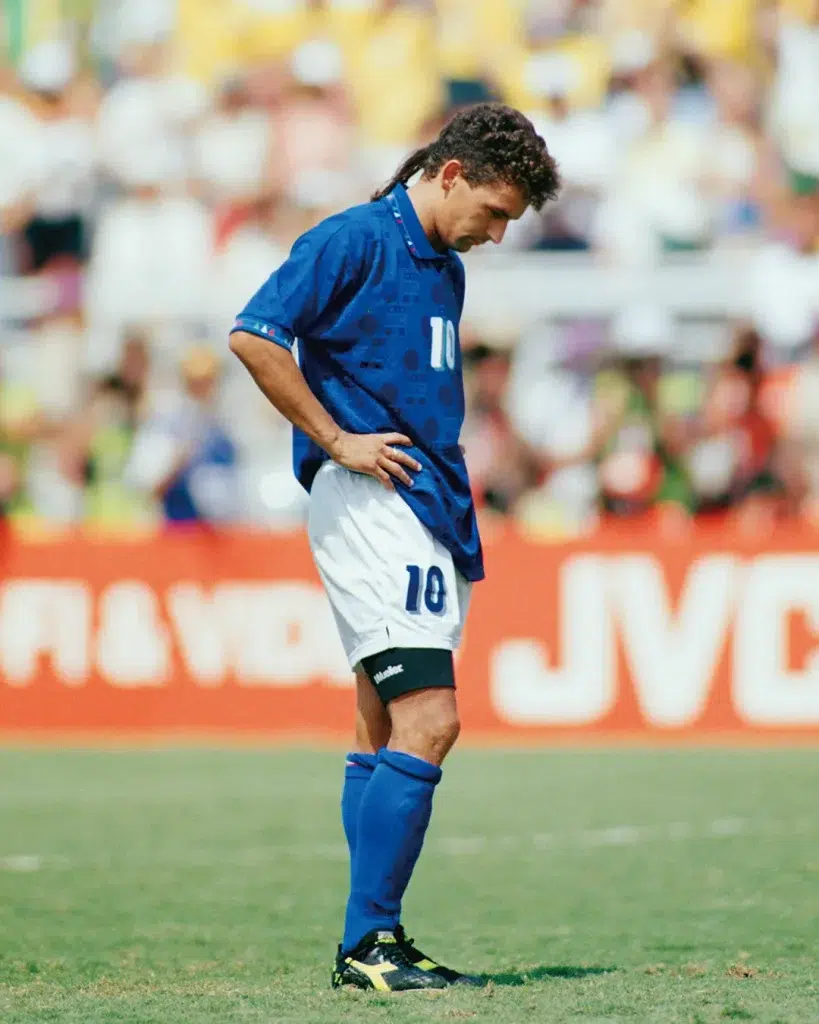
1994 Questra: A lighter and faster ball made with expanded polystyrene foam. It was present during Brazil’s victory and Roberto Baggio’s heartbreaking missed penalty.
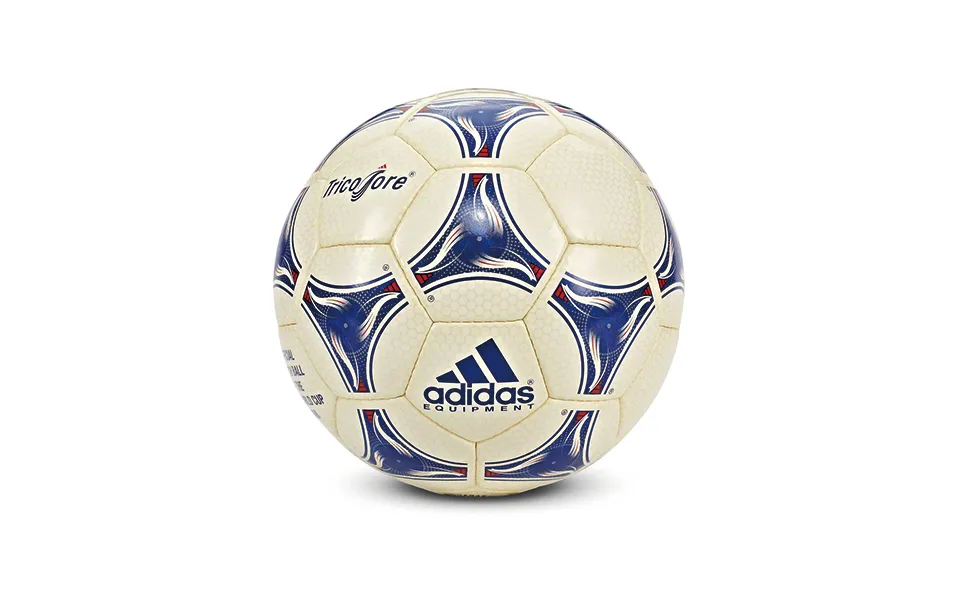
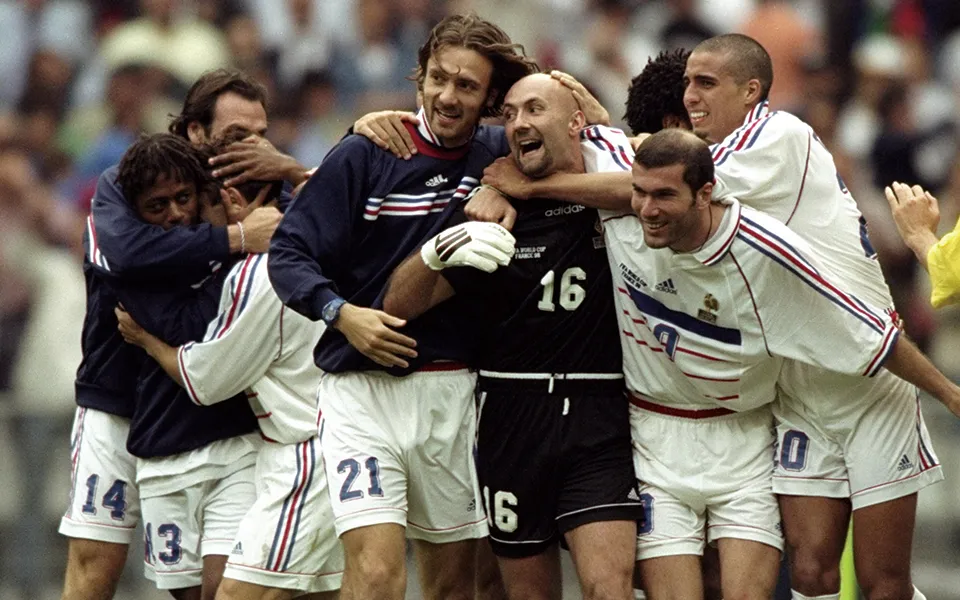
1998 Tricolore: The first colored official match ball and the last model of the Tango design. This ball, featuring the French tricolor, helped Zinédine Zidane gift his country its first World Cup victory.
2002-2022: Official Match Balls of the High-Tech Era
Entering the 21st century, the official World Cup balls became a showcase of innovative design and cutting-edge technology.
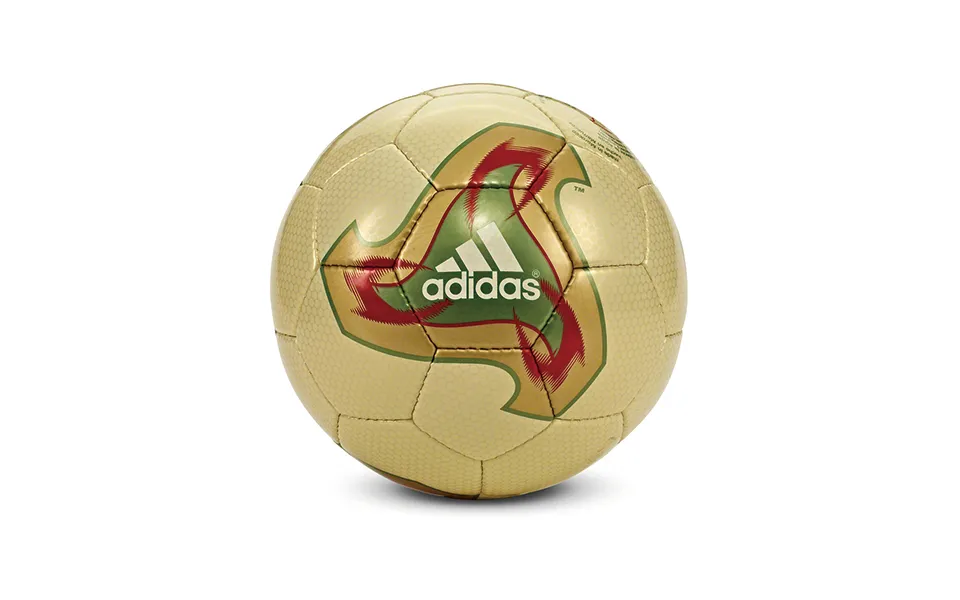
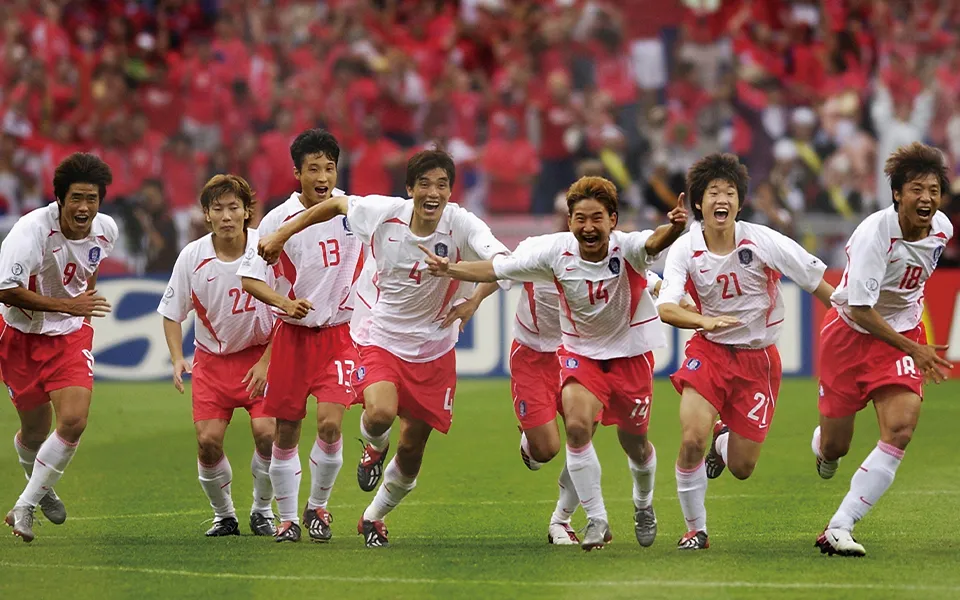
2002 Fevernova: A vibrant design that encapsulated the cultures of Korea and Japan. It accompanied Ahn Jung-hwan’s golden goal, South Korea’s miraculous run to the semifinals, and Ronaldo’s resurgence.
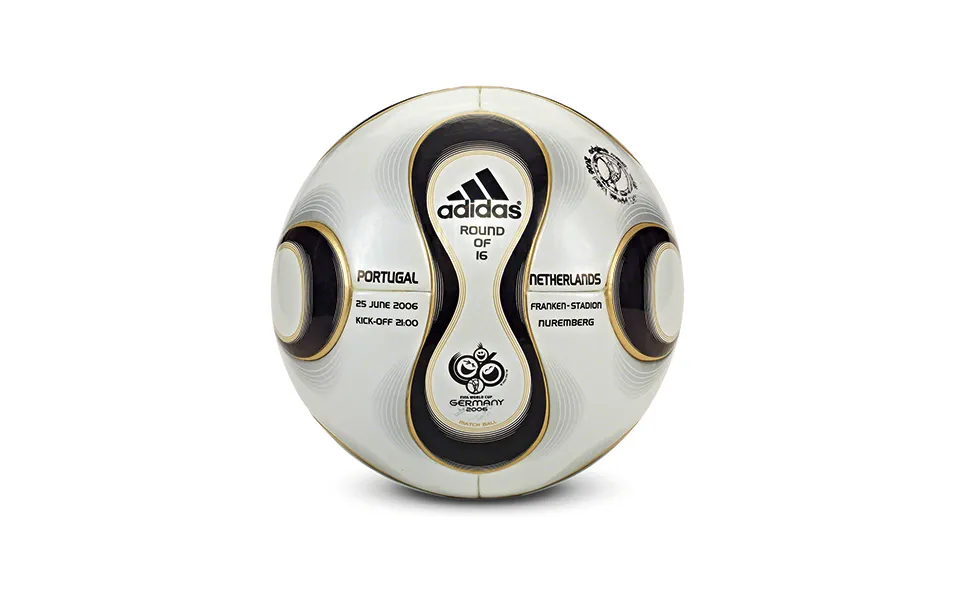
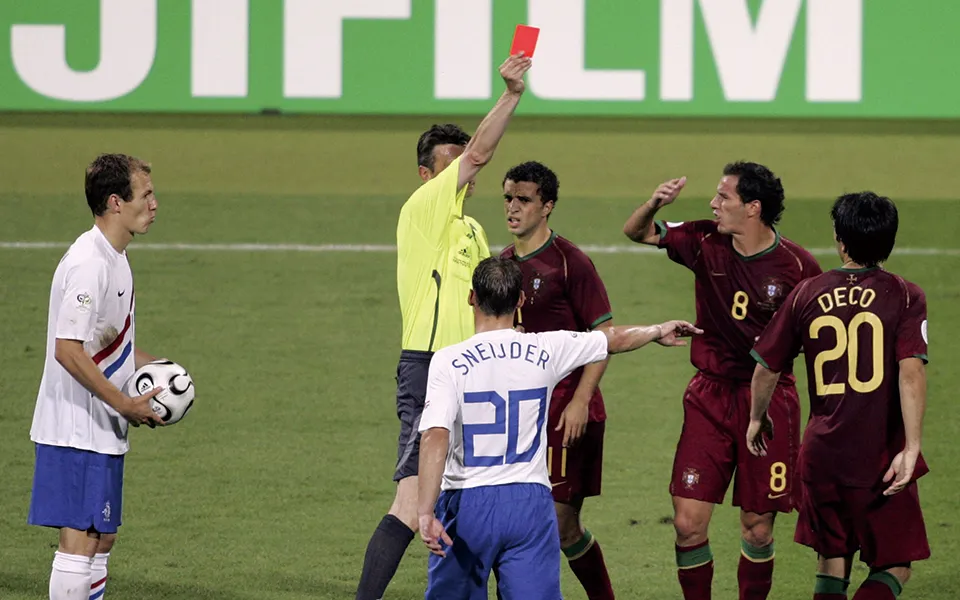
2006 Teamgeist: It became closer to a perfect sphere by using 14 panels sewn together with thermal bonding.
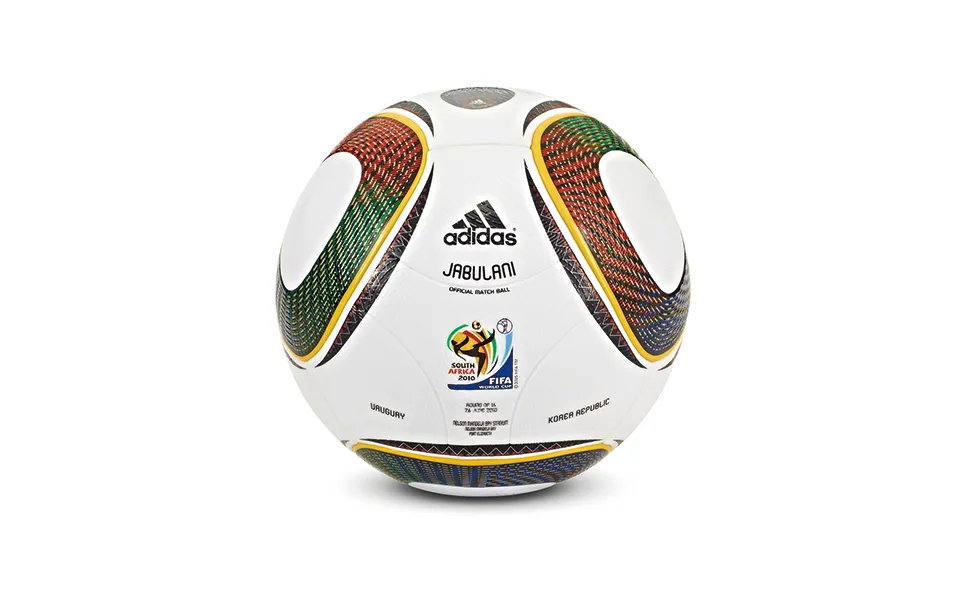
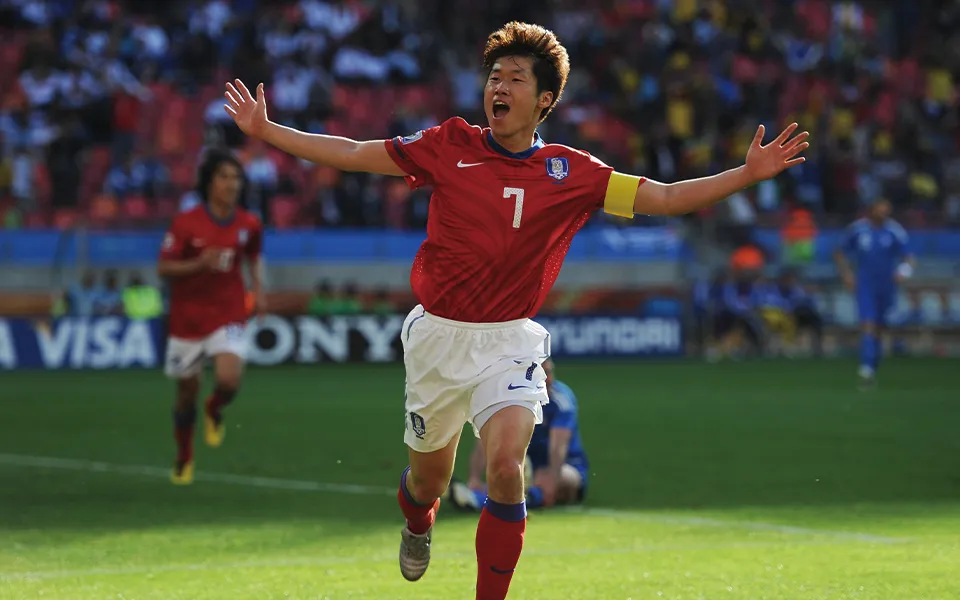
2010 Jabulani: Composed of 8 panels, it boasted the roundest shape but earned the nickname ‘beach ball’ due to its unpredictable trajectory.
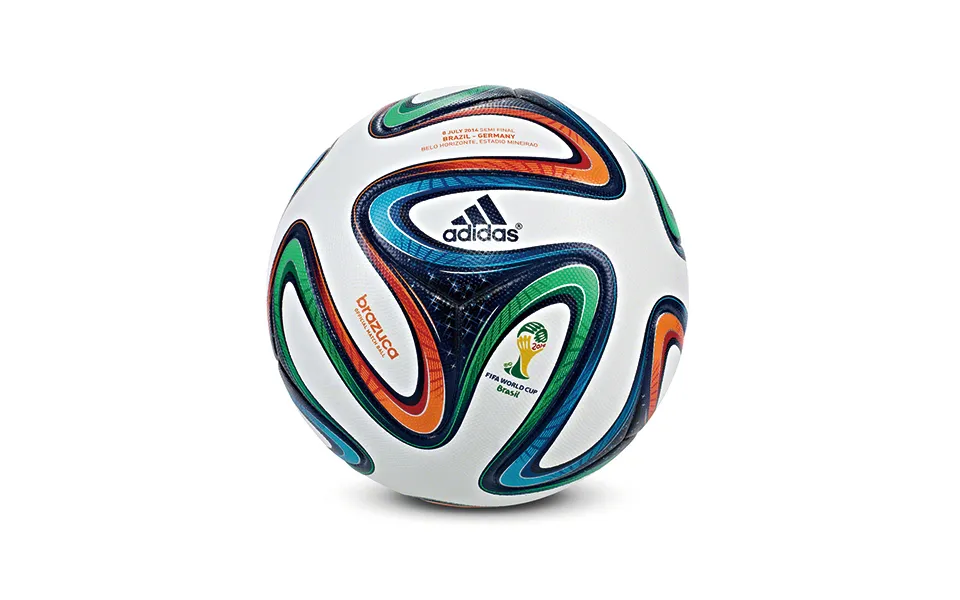
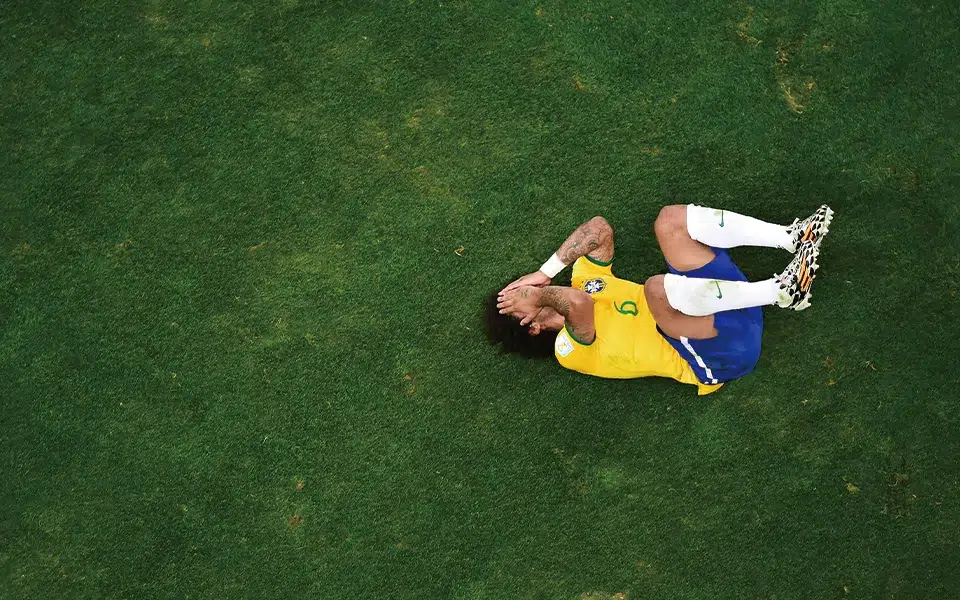
2014 Brazuca: To compensate for the failure of Jabulani, it improved stability with 6 identical panels. It was present during Brazil’s 1-7 defeat, known as the ‘Mineirazo’.
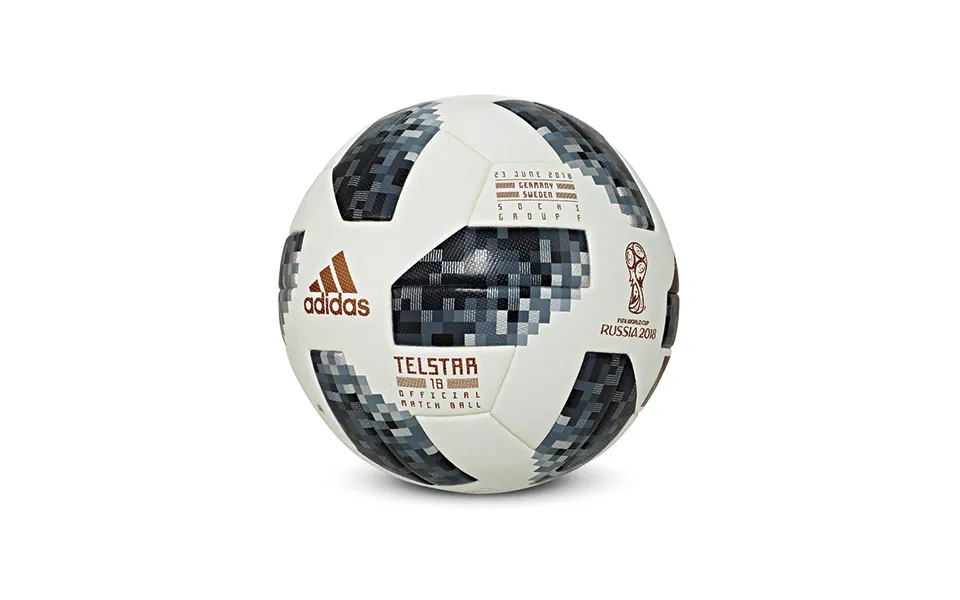
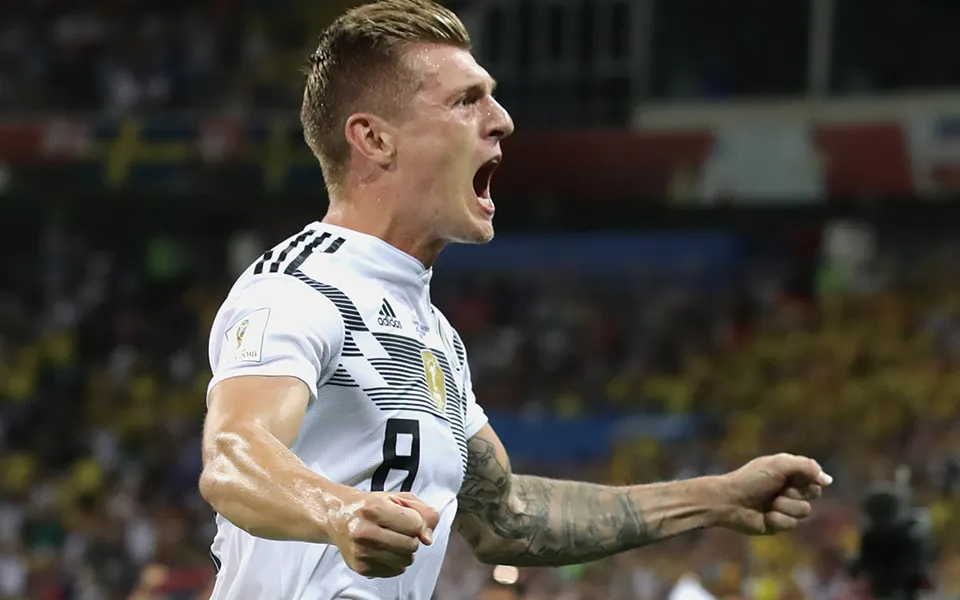
2018 Telstar 18: Reinterpreting the original Telstar with a pixel design, it was the first to incorporate an NFC chip.
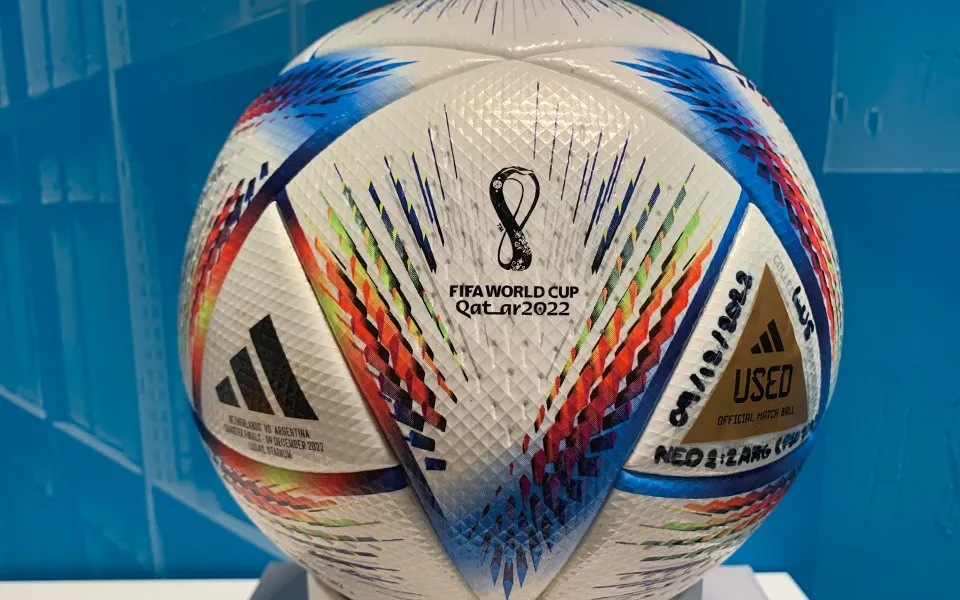
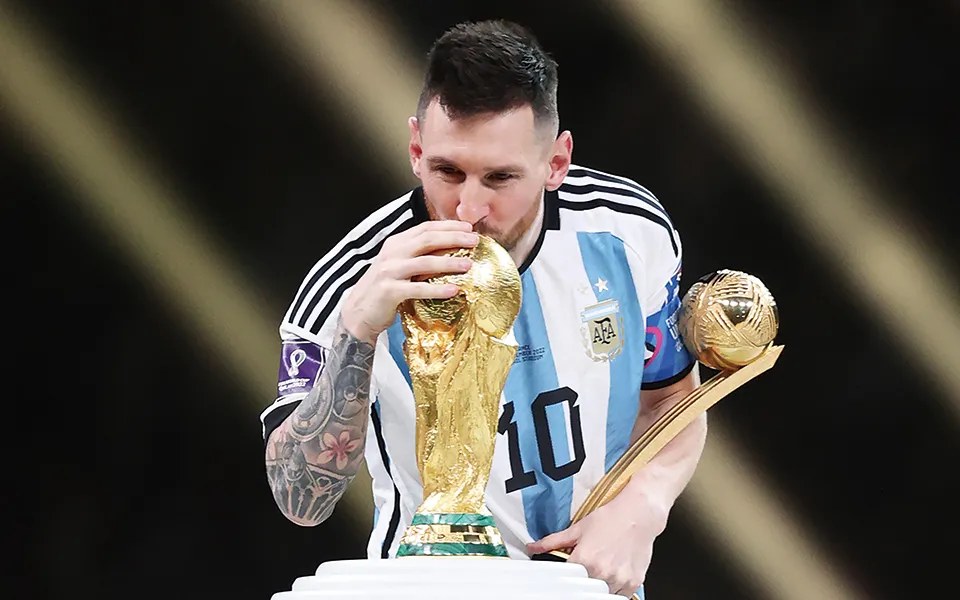
2022 Al Rihla: True to its name meaning ‘journey’, it introduced the ‘Connected Ball’ technology, which features sensors to assist with semi-automatic offside decisions. Lionel Messi finally lifted the World Cup trophy with this ball, marking the end of a long journey.
🔻함께보면 즐거운 콘텐츠 모음🔻
 jude Bellingham’s role in the Trent Alexander-Arnold trade
wirz, De Bruyne, Sane transfers Here we go
kevin De Bruyne says goodbye to Man City after joining Napoli
son Heung-min to Turkey? Will he reunite with best friend Chilhanoglu?
chelsea Women Announces First Official Jewelry Partner
why Arsenal’s mug shot was more bitter: the year the London club won the..
2024-25 Premier League final standings, Champions League and Europa League qualifiers
four Real Madrid players at risk of losing their place under Xavi
when was the last time Man Utd failed to qualify for Europe?
it’s been a bird year for English football
man City 2024-25 season wrap-up: a brutal fall from grace
winning with 3 boxing gloves
jude Bellingham’s role in the Trent Alexander-Arnold trade
wirz, De Bruyne, Sane transfers Here we go
kevin De Bruyne says goodbye to Man City after joining Napoli
son Heung-min to Turkey? Will he reunite with best friend Chilhanoglu?
chelsea Women Announces First Official Jewelry Partner
why Arsenal’s mug shot was more bitter: the year the London club won the..
2024-25 Premier League final standings, Champions League and Europa League qualifiers
four Real Madrid players at risk of losing their place under Xavi
when was the last time Man Utd failed to qualify for Europe?
it’s been a bird year for English football
man City 2024-25 season wrap-up: a brutal fall from grace
winning with 3 boxing gloves