
르 코르뷔지에의 이상 도시에서 지속 가능한 미래 주택을 만나는 것은 우리의 삶과 환경을 더욱 깊이 이해하는 데 큰 의미가 있습니다. 이번 전시는 프랑스 피르미니의 생 피에르 교회에서 열리고 있으며, 디자이너 마탈리 크라세의 작품을 통해 현대 건축의 혁신적인 접근을 보여줍니다. 이러한 전시는 단순히 건축물에 그치지 않고, 사회와 문화의 복합적인 요소를 아우르며 보다 나은 미래를 모색하는 기회를 제공합니다. 그럼 본문에서 바로 이어서 살펴보죠.
Meeting Sustainable Future Housing in Le Corbusier’s Ideal City
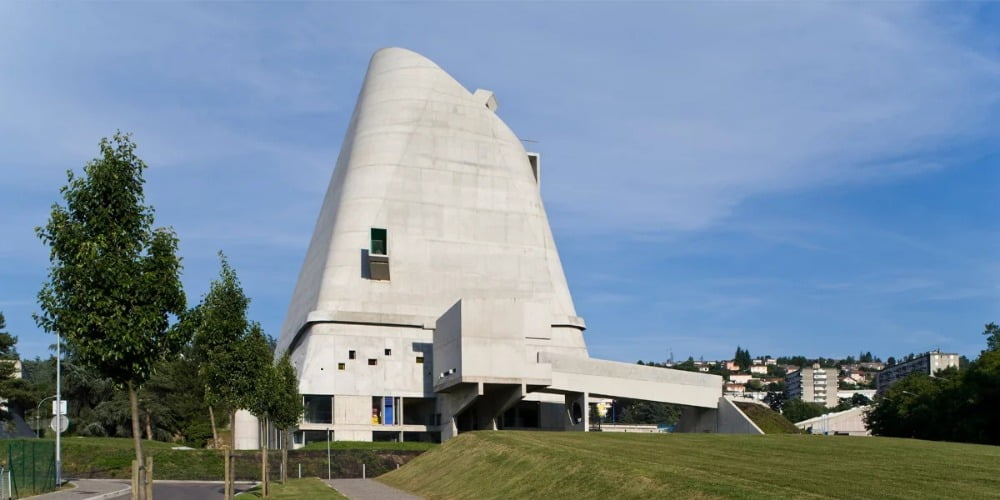
The exhibition by designer Matali Crasset, titled ‘Nos pieds d’argile’ (Our Clay Feet), is being held at the Église Saint-Pierre in Firminy, France, and will continue until January 11 of next year. This exhibition is noteworthy as it takes place within the ideal urban structures designed by the master of 20th-century modern architecture, Le Corbusier, as part of the Saint-Étienne International Design Biennale.

Le Corbusier’s Ideal City: ‘Firminy Le Corbusier Architectural Complex’
In the 1950s, Firminy, an industrial city, commissioned Le Corbusier for urban design as part of a housing innovation project for coal miners. He designed a complex space that integrated housing, education, sports, culture, and religion, and particularly, the apartment housing an elementary school is still regarded as an innovative example today.
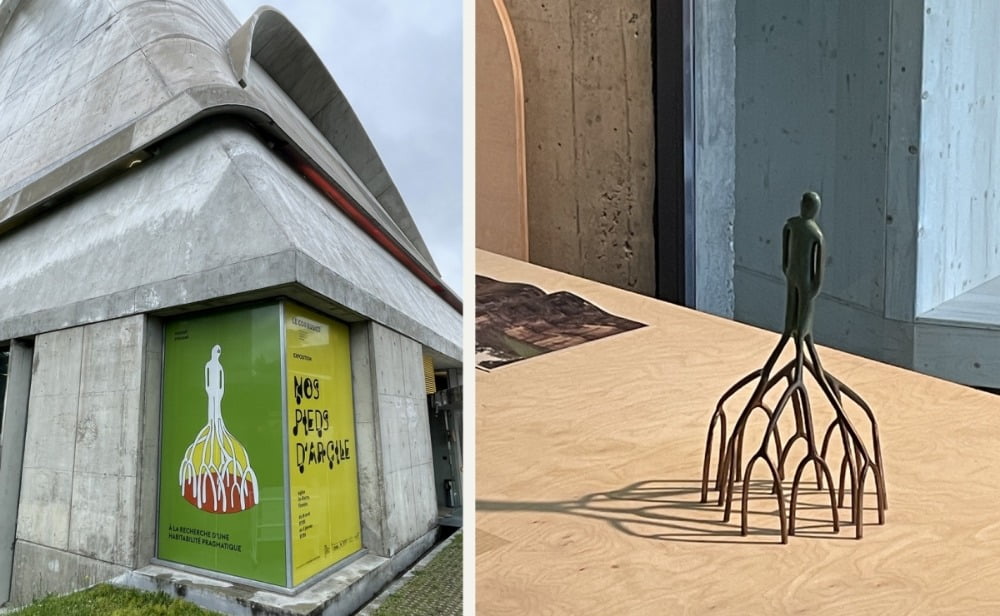
A Space Beyond the Cathedral: Église Saint-Pierre
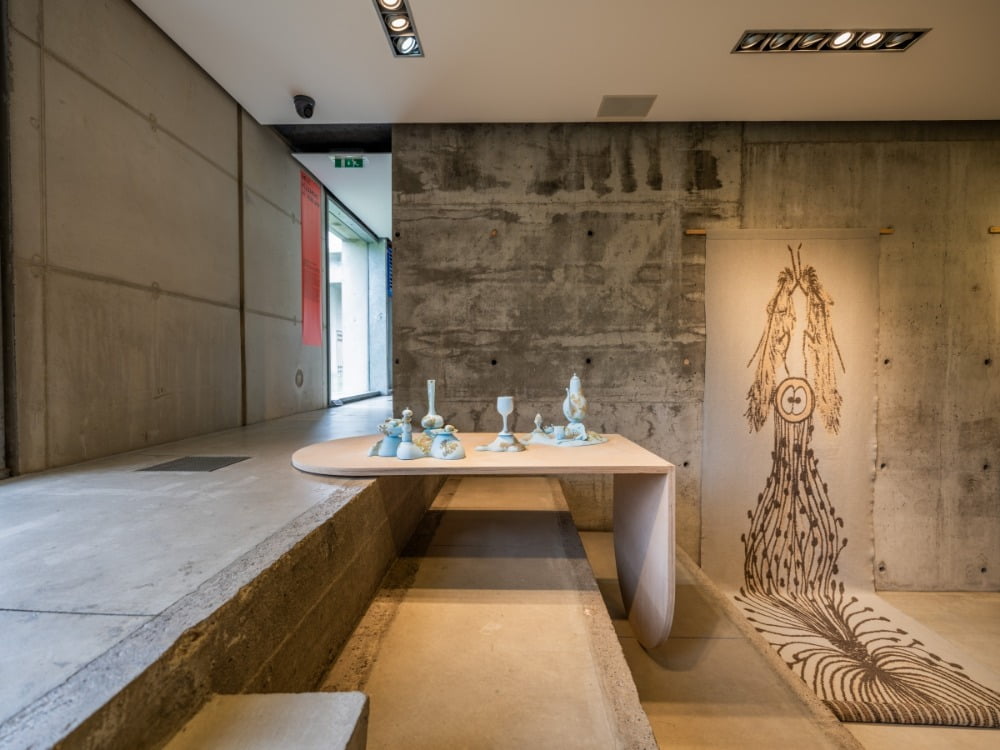
The Église Saint-Pierre, designed by Le Corbusier, was completed in 2006 after construction had been halted for over 30 years following his death. Currently, it serves as a complex cultural space for exhibitions and concerts, becoming a stage for Matali Crasset’s experimental design exhibition.
Matali Crasset: The Happy Designer Connecting Design and Life

Matali Crasset, a graduate of ENSCI in France, introduces herself as a ‘happy designer (Design + heureuse)’. She explores the social context in each project, redefining the meaning of design from philosophical, anthropological, and sociological perspectives. Her works are exhibited in world-renowned art museums such as MoMA in New York and the Centre Pompidou in Paris.
Exhibition ‘Our Clay Feet’: A Three-Stage Design for Sustainable Housing

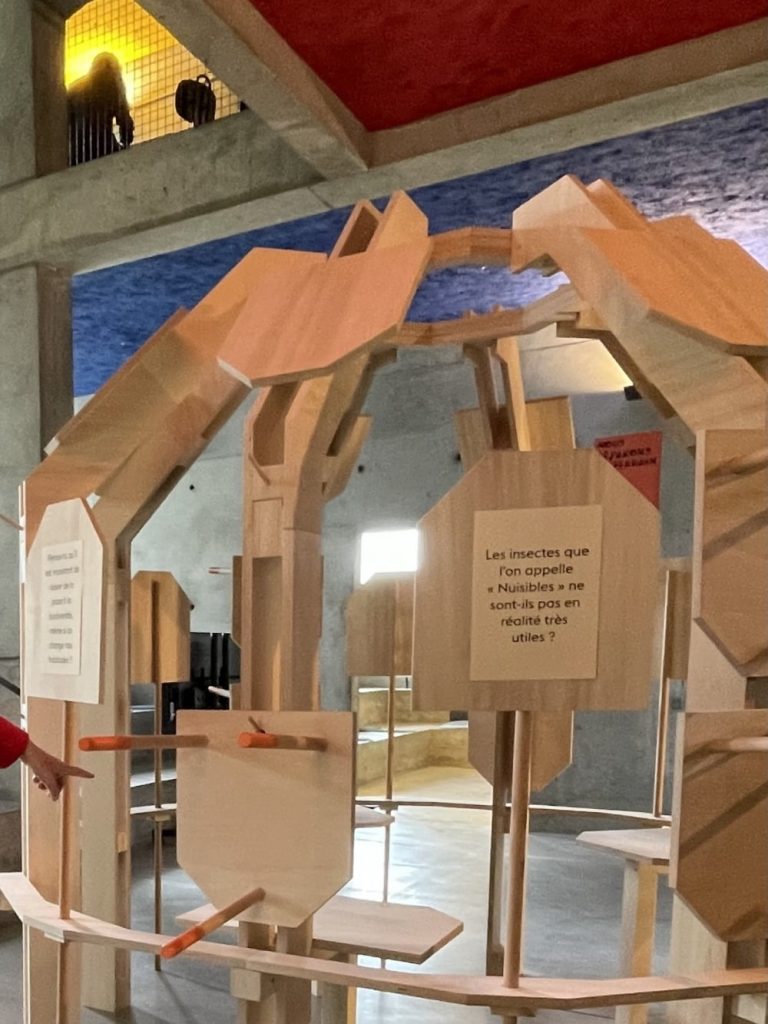
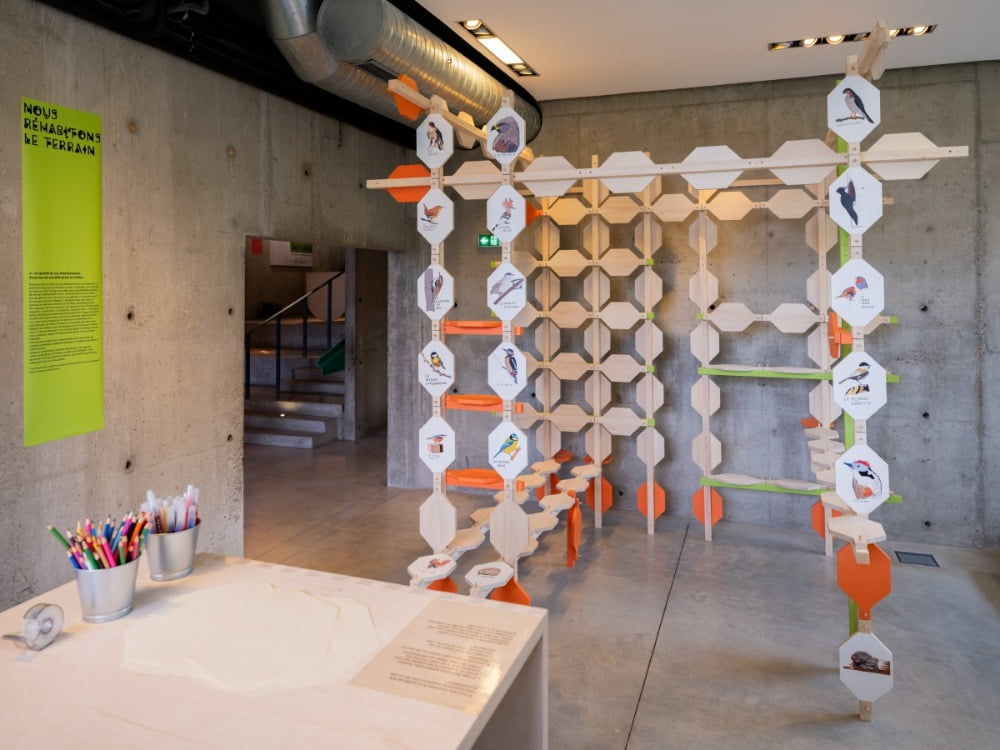
- Fixing Existing Foundations: A wooden dome structure symbolizing communal life and democratic discussion has been installed, inspired by past communal laundries.
- Harmony with Nature: This structure, in the form of a cabin, reinterprets the natural ecosystem based on a collection of flora and fauna gathered during the pandemic.
- Redesigning Future Foundations: It presents future housing integrated with specific eco-friendly elements such as waste recycling, solar energy utilization, and resource separation.
This exhibition goes beyond a simple design showcase, offering practical alternatives for housing that coexists with humans and nature and providing new insights into what sustainability we can pursue in our daily lives.
🔻함께보면 즐거운 콘텐츠 모음🔻
 a physicist’s pick for best sci-fi movie: Nature picks two Nolan films
guillermo del Toro <프랑켄슈타인> Behind the Scenes 6: Modern Myths Rewritten
miu Miu <30 Blizzards.> Exhibition in Paris: new Works and First Performances by Helen Martin
20 Years Later: Lady Gaga Joins ‘The Devil Wears Prada 2’!
the Aesthetics of Emptying and Filling, New Korean Design by Studio Walja
the world of Karl Lagerfeld comes to Seongsu-dong: korea’s first immersive pop-up
six showrooms that lit up Copenhagen: on the ground at the 2025 ‘3 Days of Design’
museum Mountain ‘Ground’: tadao Ando Meets Anthony Gormley
summoning the Joseon Dynasty’s ‘Gyehoe’: how the House of New Worlds summons summer
kim Chang-yeol Retrospective: The Secret of Droplets from a Gunshot Wound | National Museum of Modern and Contemporary Art Korea
milan Furniture Brands 2025 #3 | Moments when brand identity shines through
world Design Festival 2025 calendar
a physicist’s pick for best sci-fi movie: Nature picks two Nolan films
guillermo del Toro <프랑켄슈타인> Behind the Scenes 6: Modern Myths Rewritten
miu Miu <30 Blizzards.> Exhibition in Paris: new Works and First Performances by Helen Martin
20 Years Later: Lady Gaga Joins ‘The Devil Wears Prada 2’!
the Aesthetics of Emptying and Filling, New Korean Design by Studio Walja
the world of Karl Lagerfeld comes to Seongsu-dong: korea’s first immersive pop-up
six showrooms that lit up Copenhagen: on the ground at the 2025 ‘3 Days of Design’
museum Mountain ‘Ground’: tadao Ando Meets Anthony Gormley
summoning the Joseon Dynasty’s ‘Gyehoe’: how the House of New Worlds summons summer
kim Chang-yeol Retrospective: The Secret of Droplets from a Gunshot Wound | National Museum of Modern and Contemporary Art Korea
milan Furniture Brands 2025 #3 | Moments when brand identity shines through
world Design Festival 2025 calendar